Follow us on Google Discover
Standing at 6ft 5in and weighing around 200lbs, Manchester City striker Erling Haaland is certainly a force to be reckoned with.
The Norway international has been a player to watch during this year’s World Cup, scoring seven goals in just five matches, while also going viral on social media for his goofy actions on and off the pitch. We’re talking the resurfacing of his short-lived teenage rap career, somehow resembling a spring onion and the way in which he chased down defenders during a group game against Iraq.
But what is the food which fuels this modern-day Viking?
Enough to comfortably feed three people, if the rumours are correct.
What is Erling Haaland’s diet like?
According to various reports, this real-life terminator is said to be quaffing around 6,000 calories each day – to put that into perspective, the NHS says the average adult man needs 2,500kcal while an adult woman needs 2,000kcal.
Advert
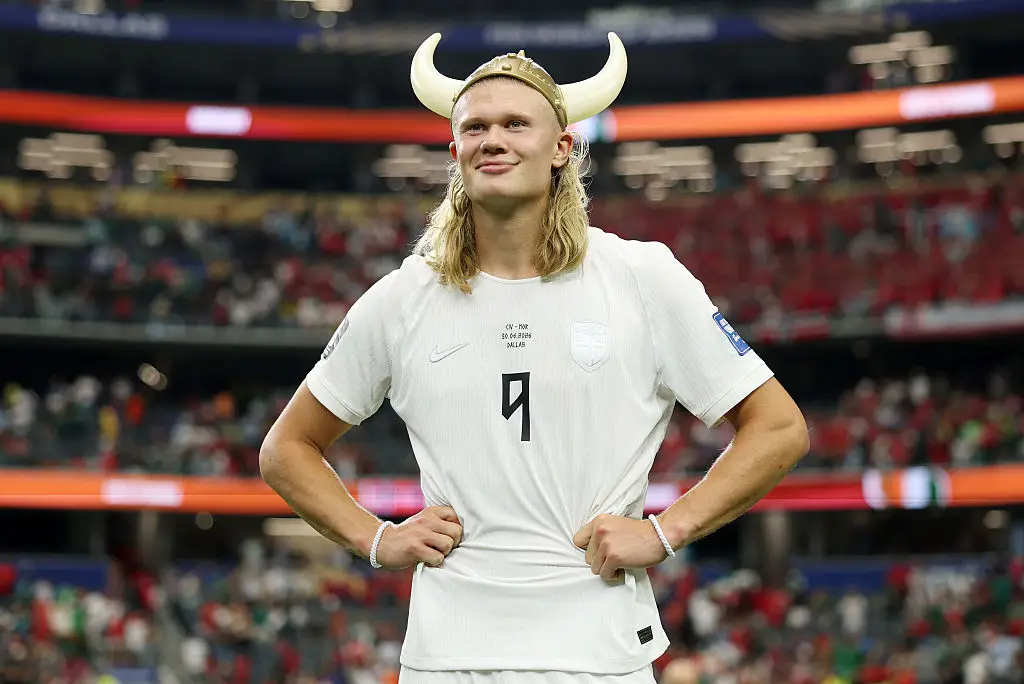
Ever wondered what fuels the Norwegian terminator (Julian Finney – FIFA/FIFA via Getty Images)
Advert
Even at the higher end of the recommended daily intake for active adults – 3,000kcal – this is still double the amount of what’s recommended for the average person.
And yet, Haaland is most likely in significantly better shape than both you and I.
This is probably because the 25-year-old isn’t stuffing his face with any old junk but instead following a strict diet of organic and locally sourced food.
Animal organs and raw milk
Haaland gave fans a glimpse into his heavily regimented diet during 2022 documentary Haaland – The Big Decision, revealing that eggs, raw milk, organ meat, fish and honey are staples for him.
“You [other people] don’t eat this… I care about taking care of my body,” he explained in the documentary. “I think eating quality food that’s as local as possible is the most important thing. People say meat is bad, but… which one? The meat you buy at McDonald’s? Or the local cow that eats grass right there?”
In a YouTube video shared last October, the Manchester City striker revealed that he starts the day with a cup of coffee, which he considers to be a ‘superfood’, made with raw milk, and a plate of scrambled eggs.
He also has collagen in his coffee, a supplement which has exploded in popularity over the past couple of years.
Haaland also shops locally, with Knutsford farm Greenoaks appearing to be his go-to store for staple food items.
Advert

The striker revealed his dietry secrets in a YouTube vlog, which includes organic food items (YouTube/@erling)
“It’s good quality,” Haaland said of the farm shop. “And they take good care of the animals.”
The farm is featured in his vlog, with the striker seen picking up a stack of tomahawk steaks, several bottles of raw milk and local, raw honey.
“I like fatty steaks the most,” he explained. “Rib-eye, Tomahawk… Short ribs.”
Should you be interested in replicating Haaland’s diet at home, a one-litre bottle of the milk he buys costs £2.50 while a jar of honey will set you back £7.50. There are no listed prices for the grass-fed beef, but it’s likely to cost more than whatever you can pick up in the local supermarket.
Good quality sleep, red light therapy and blue light glasses
Haaland’s regimented lifestyle doesn’t end with his diet either, as the footballer has also tailored his day-to-day to optimise his health.
Alongside the heavy training and recovery sessions expected from a professional football player, the striker makes sure to prioritise good quality sleep.

Good quality sleep is also important to the 25-year-old (Robbie Jay Barratt – AMA/Getty Images)
“For me maybe the most important thing in life is sleep — not only a lot, but good sleep,” he told GQ in 2023.
Advert
As soon as he wakes up, Haaland makes sure to get some natural sunlight, which he says is good for maintaining a good circadian rhythm, and also wears glasses which filter out artificial blue light in the evenings.
“You should have an early start with fresh daylight and fresh air,” he explained in a vlog.
“Ideally, go out for a small walk. I think it’s a really beneficial thing to do.”
Red light therapy is also part of Haaland’s routine, especially on days where sunlight is limited in Manchester, as it’s said to reduce inflammation, encourage cellular repair and boost your body’s collagen production.

As are treatments such as red light therapy, an emerging skincare treatment (YouTube/@erling)
So now you know what fuels this goalscoring machine.
Featured Image Credit: (YouTube/@erling)
Topics: Football, World Cup, Sport, Food And Drink

Brenna Cooper
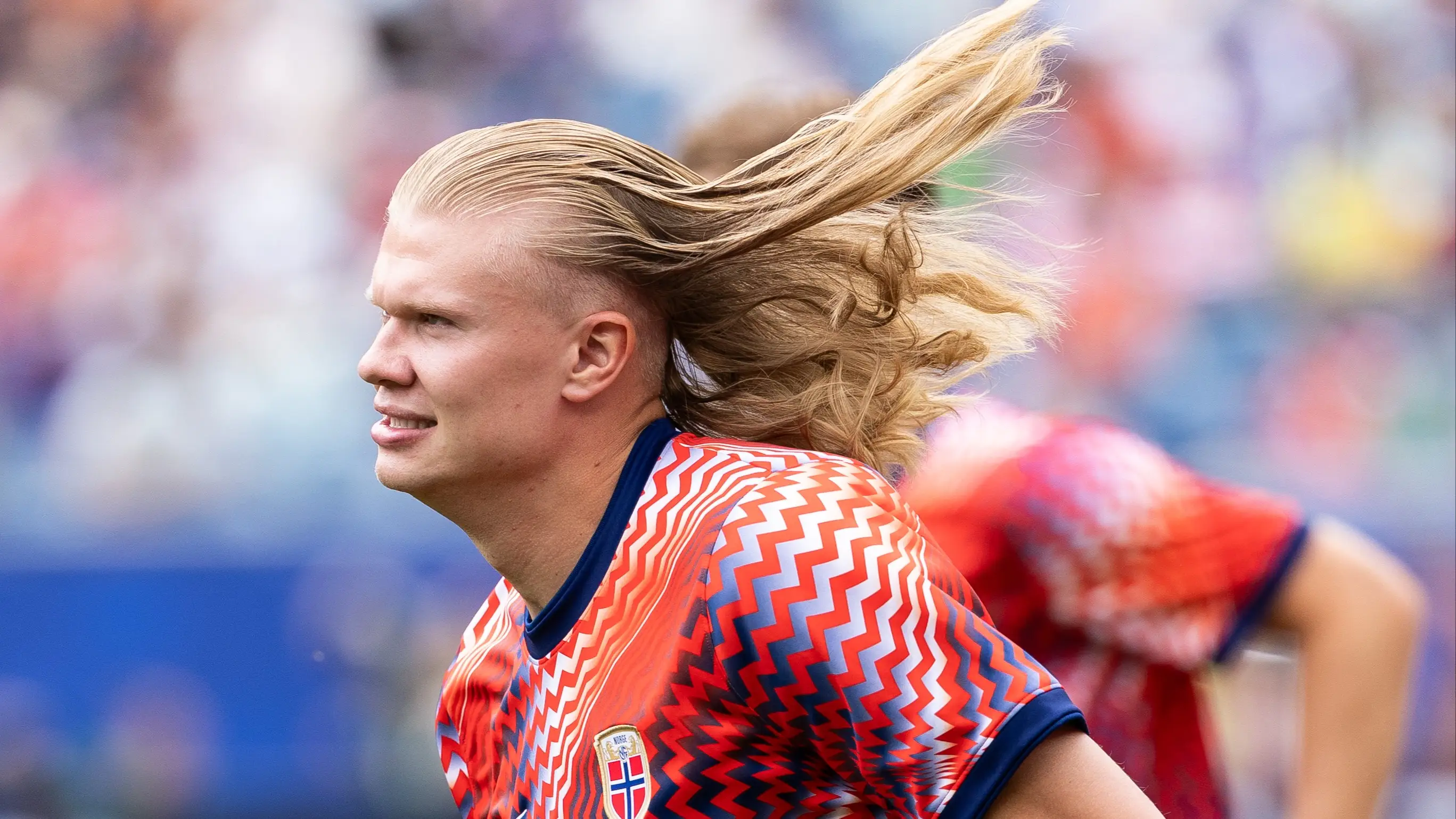
Erling Haaland has ‘Braut’ on Norway’s World Cup shirt in big Man City alteration
Erling Haaland’s immediate impression at the 2026 World Cup continues as we head in to the knock out phase of the world’s greatest sporting competition.
And with five goals to his name during the first four games of the World Cup – topped only by the Lionel Messi (who else?) and Kylian Mbappe – he is showing that he really is world class on every stage despite Norway’s outside odds of winning the whole thing.
His goals have meant all eyes have been on the imposing footballer during his celebrations, including his Norway jersey where those glued to their TVs have noticed the name on the back of the shirt is different to his Manchester City top.
Advert
Haaland he is not. Enter ‘Braut Haaland’. There’s a very good reason for it too.
Brazil now awaits for Haaland after scoring the winning goal against the Ivory Coast on Tuesday in Arlington, Texas – a state with quite bizarre rules tourists should know about – all eyes were once again on the name you see on the back of his jersey; a name that is all to do with the big man’s heritage.
See, Erling’s dad is retired Norway, Nottingham Forest, Leeds United, and Man City footballer Alf-Inge Haaland. A big time Barclaysman, he’s perhaps known virally for his coming together with Manchester United’s Roy Keane (IYKYK) during Alf-Inge’s City days. Not one for those with knee injuries.
Advert
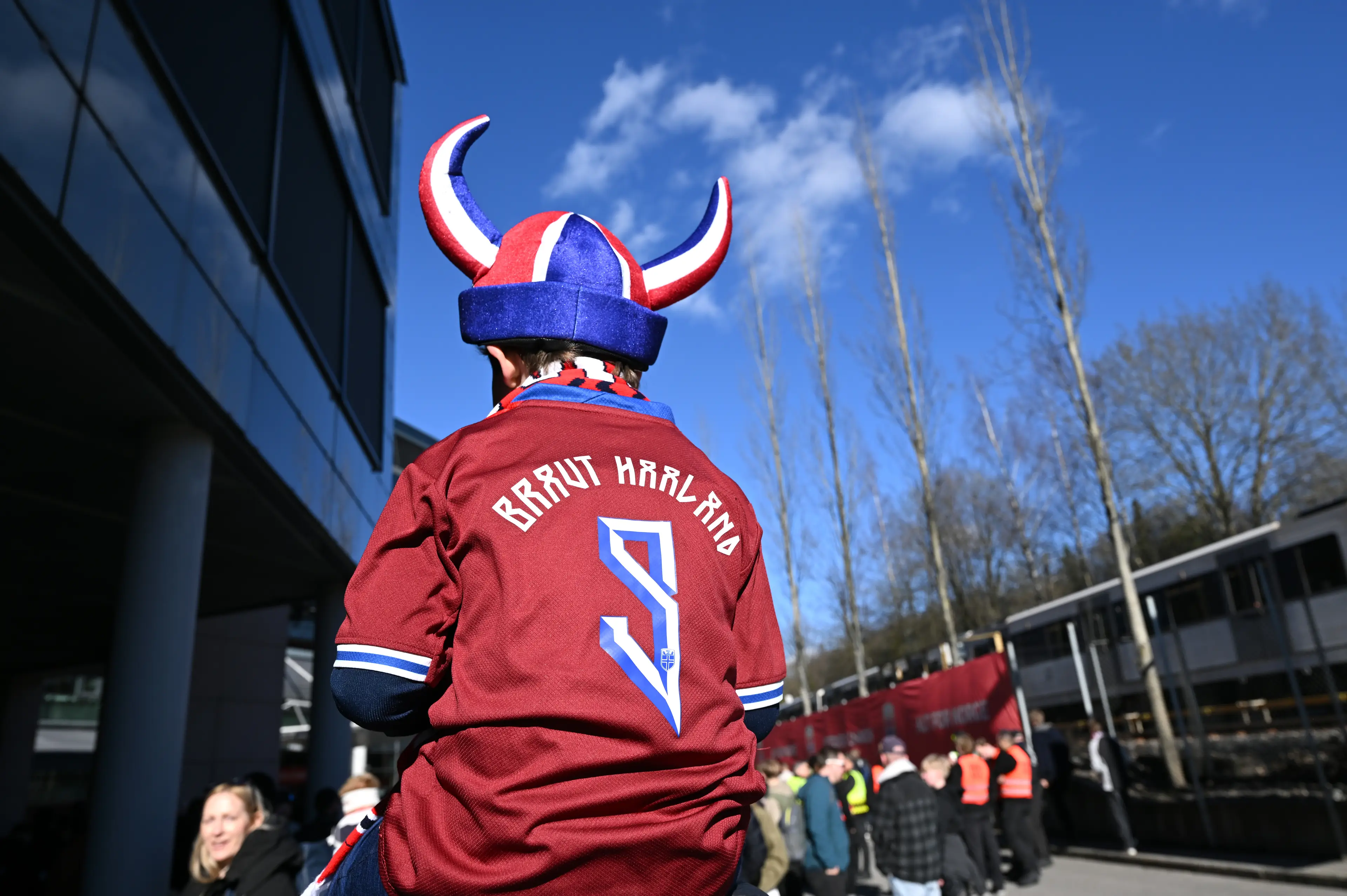
A fan wearing a Braut Haaland jersey (Stuart Franklin/Getty Images)
In a hugely symbolic move of where he came from, Erling’s Norway shirt name is part of him recognising his heritage with his full, legal name actually being Erling Braut Haaland.
Braut is his mother’s maiden name, her being former women’s heptathlon athlete Gry Marita Braut.
As The Athletic reports, Haaland is also using ‘Braut’ on his social media handles and is in fact ‘reflective of Norwegian custom, where it is more common for both maternal and paternal names to be used’.
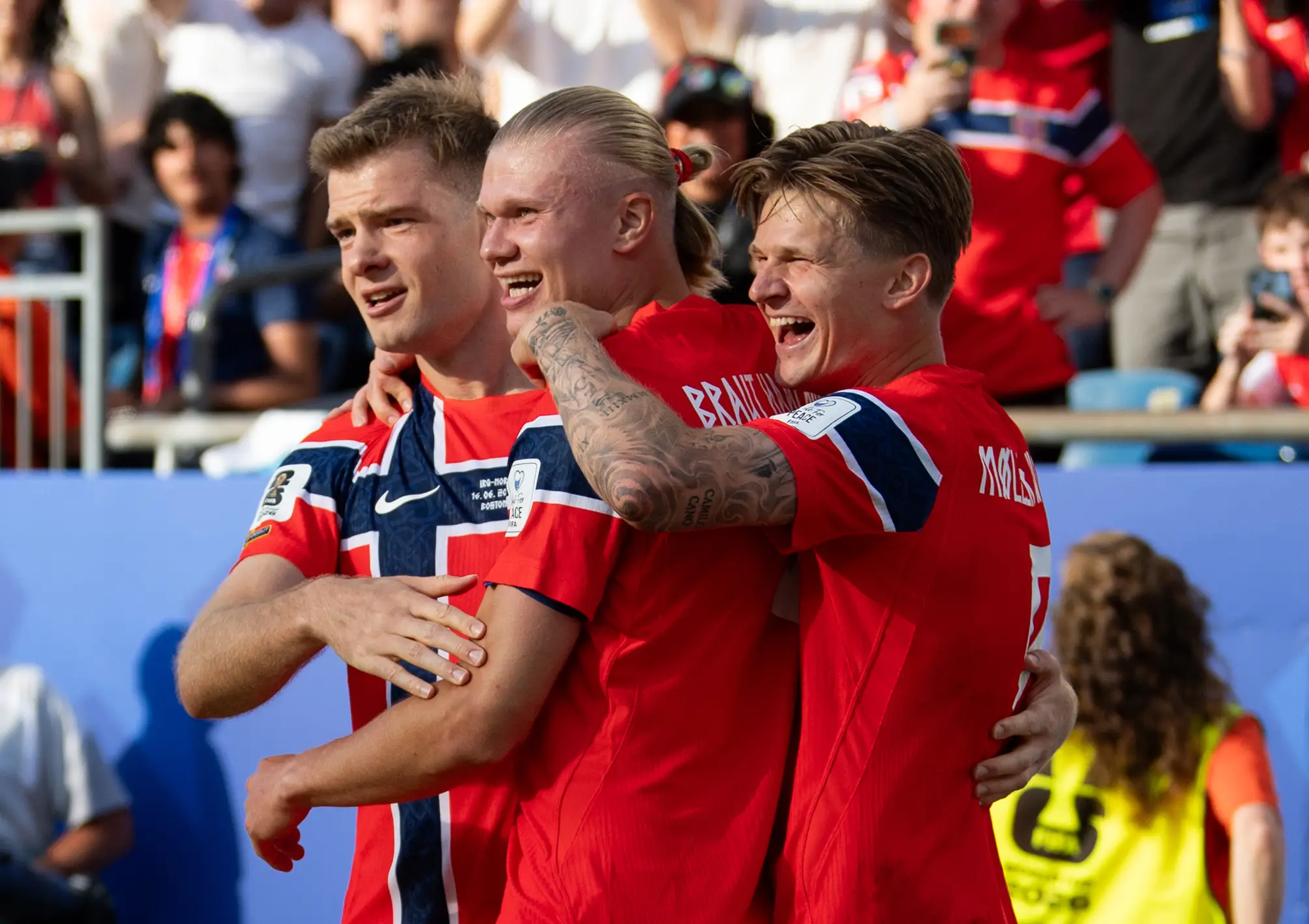
Norway could go deep in this tournament (Joe Prior/Visionhaus via Getty Images)
World Cup shirt controversy
World Cup jerseys have caused a stir in this World Cup, with FIFA already moving to make Haiti redesign their sold-out national shirt.
Their first World Cup since 1974, the country had honoured the Battle of Vertières – the final battle in Haiti’s Revolution that ended in 1804.
But FIFA has strict rules on political messaging. Supplier of the kit, manufacturing company Saeta, said in a statement: “During the review process, FIFA determined that certain visual elements could be interpreted differently under its equipment regulations and ultimately requested modification to the design.
Advert
“The final design was intended as a tribute to the men and women who contribute every day to Haiti’s future and was not intended as a political statement.”
FIFA’s official regulation 28.1 on Kit and Colours Approval states: “The display of political, religious, or personal messages or slogans of any nature in any language or form by players and team officials on their playing, team kits or other clothing considered as outerwear and formal attire, before and after playing, and equipment (including kit bags, beverage containers, medical bags, etc.) or body is prohibited.”
Along with strict regulations on the kit they wear, players face a bevy of rule changes at this year’s World Cup.
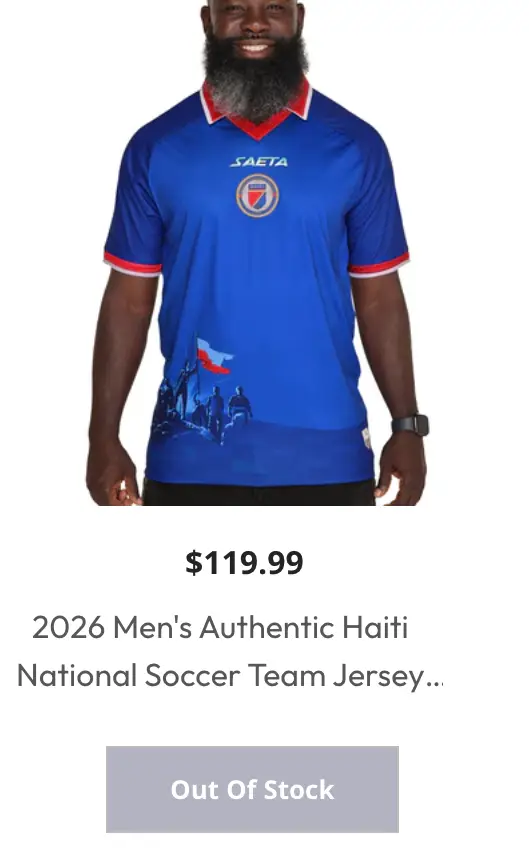
Haiti’s now banned World Cup kit (Saeta)
Six new rules for the FIFA World Cup 2026
This year, there’s been a whole host of rule changes, many of which are designed to speed up the game and penalise players who drag things out. Some of the new regulations are likely to prove controversial.
10-second substitution
Subbed players now have to get a move on and leave the pitch within ten seconds by the nearest exit point. If they haven’t, their replacement will get held up by one minute until the next stoppage of play, and until then, their side will have to play with 10 men.
5-second throw-ins and goal kicks
If a referee thinks a player is taking too long for a throw-in or goal kick, they’ll start a five-second countdown, by which time the ball needs to be back in play. If it’s not, for throw-ins the opposing team will get their own throw-in, or for a goal kick the other side gets a corner.
Advert
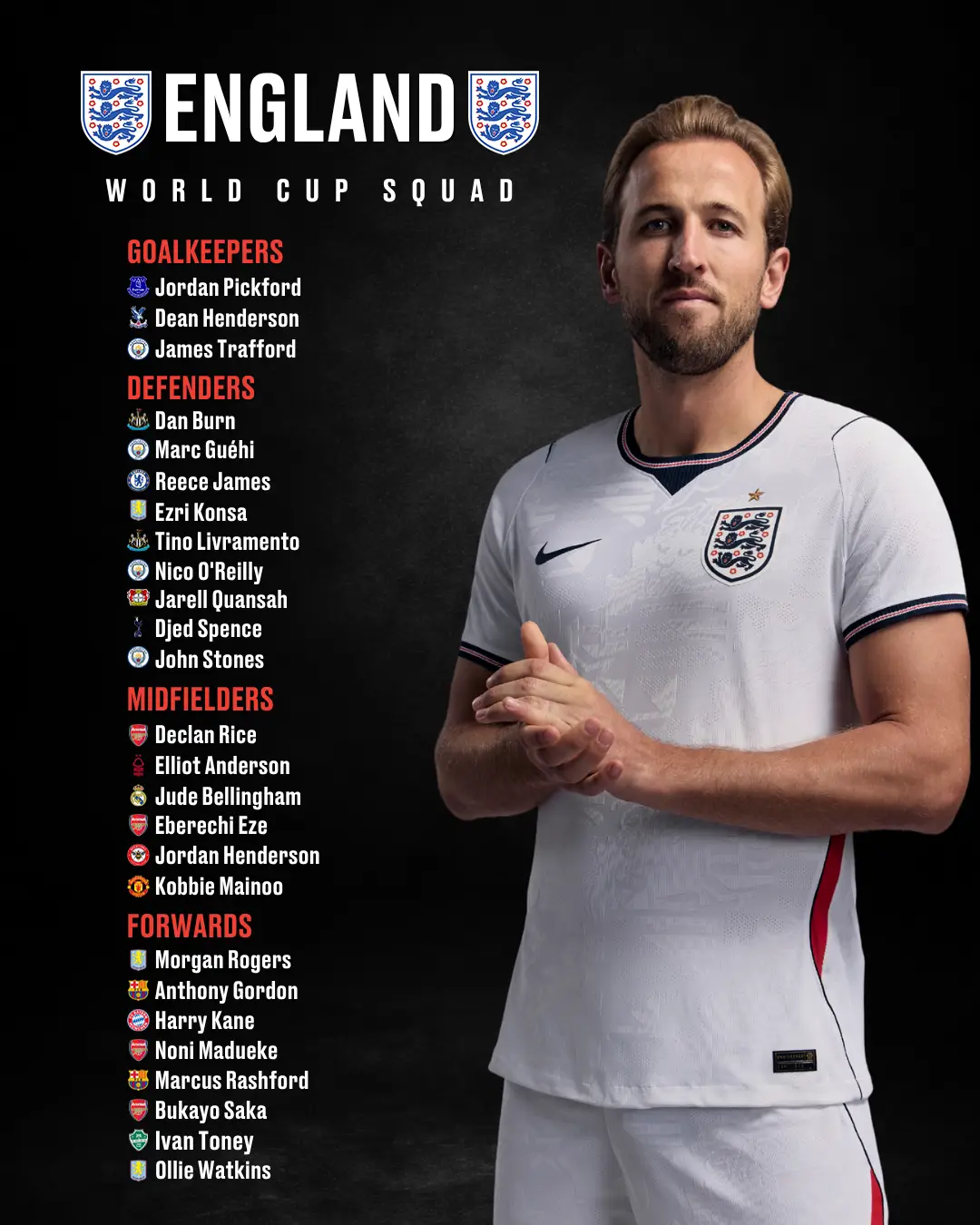
The full England squad (The FA/The FA via Getty Images)
Injured players to remain off the pitch for one minute
An injured player treated by medical staff off-field has to stay off the pitch for one minute, leaving their side with just 10 players.
More VAR
VAR can now be used to review an incorrectly awarded corner kick; second yellow cards resulting in a red card; when a player is incorrectly awarded a yellow or red card for another player’s actions; and any attacking fouls that occur before the ball is in play.
Players can’t cover their mouths
Players who cover their mouths in confrontational situations will be handed a red card. It’s believed players might cover their mouths to guard against lip readers while racially abusing other players, which some suspect has happened in the past.
Red cards for players leaving the pitch
Any player who leaves the pitch in protest over a referee’s decision will be handed a red card, and if a team walks off and causes a match to be abandoned, they’ll forfeit the game.
Featured Image Credit: Simon M Bruty/Getty Images
Topics: Manchester City, World Cup, World News, Football

Tom Earnshaw
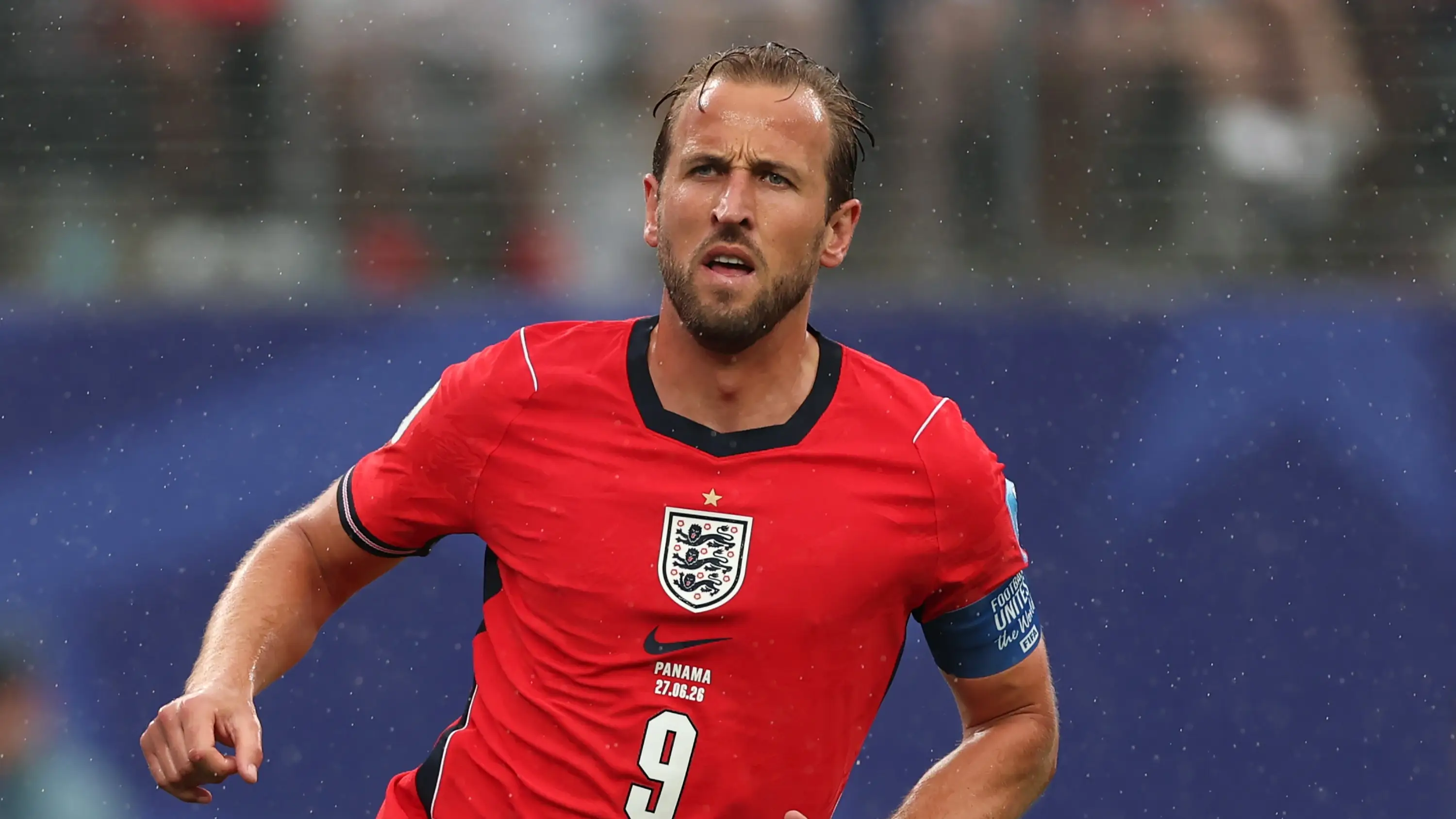
Reason why England are playing in red as World Cup viewers left baffled by change
The Three Lions are currently facing off against Panema in their last Group L match, with a win securing a top-place finish and a potentially easier run in the knockout stages.
However, it would appear that the clash at New Jersey’s MetLife Stadium has left some fans confused due to the colours each team are playing in.
Anyone who’s even the slightest bit familar which watching England will know that we typically play in either an all-white strip or a white shirt with navy shorts.
Advert
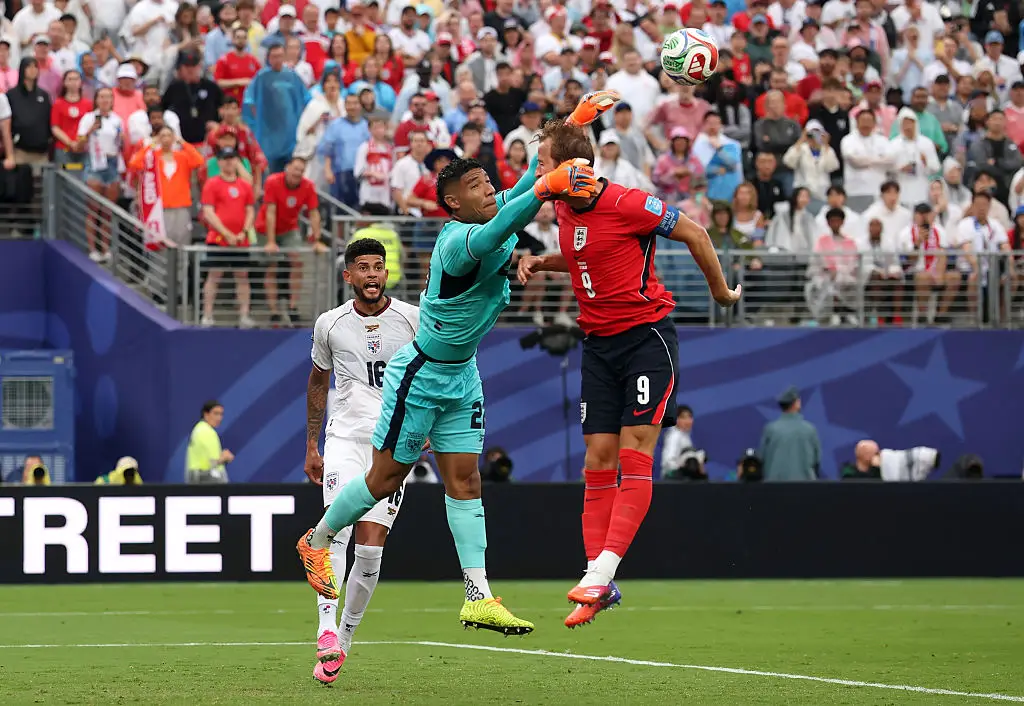
So it was a little confusing to see Thomas Tuchel’s side walk out in a red kit, the first time since England has worn the colour in a World Cup clash since 2018, while the Central American side are donning white.
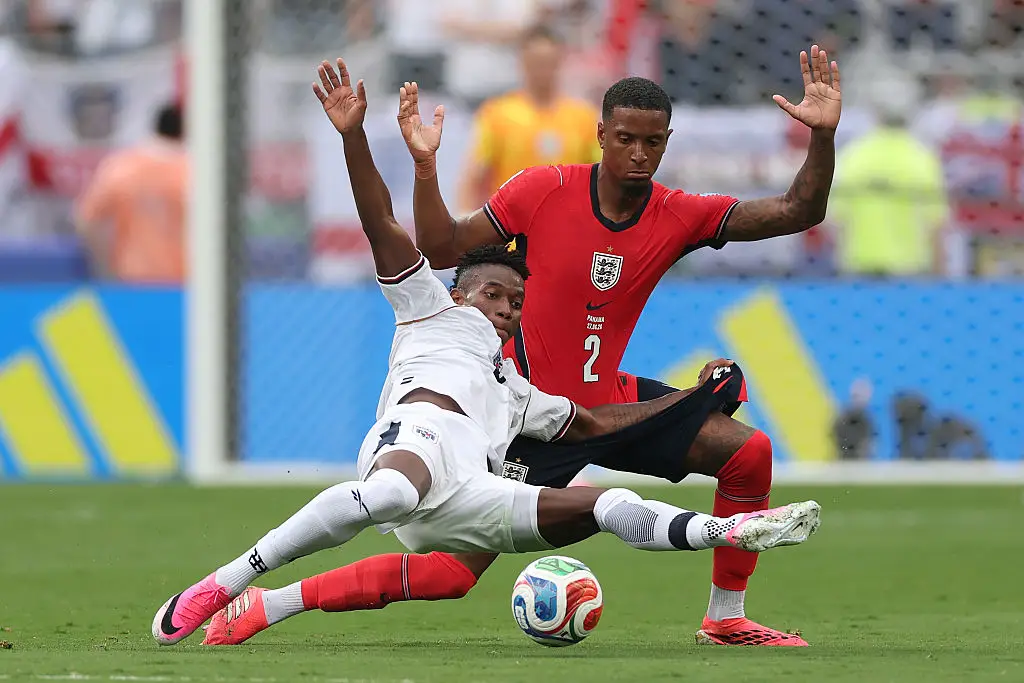
Anyone else think we were Panama for a moment? (Patrick Smith – FIFA/FIFA via Getty Images)
Had to rub your eyes and take a second to work out which side was which for a moment? You’re not the only one, as several fans have since taken to social media to share their bemusement.
“Why are Panama wearing white and England in Red when Panama play in red shirts. Does anyone know please??” wrote one confused X viewer.
Advert
They weren’t alone in their confusion either, as another penned: “Was watching for 5 minutes before I realised England were in red.”
One person even felt strongly enough about it to at the FA about the matter, writing: “@FA why isnt the england kit red and white, where is the dark blue or black in the [match].”
I thought Panama were playing well, then realised England are playing in RED. DOH!
— Michael McCartney (@MickeyMcCartney) June 27, 2026
However, not everyone was offended by the red shirt, with another viewer saying the strip was a throwback to the kit worn in 1966, which as I’m sure you all know, was the last time we won the tournament. “Much prefer England playing in red,” they wrote. “That’s what we were wearing when we won in 66.”
(Eddie Keogh – The FA/The FA via Getty Images)
Why isn’t England wearing white against Panama?
The choice in kit colour comes down to which side is designated the home and away side for the match.
Advert
As the away side, England doesn’t get first choice on which strip to wear for the match, as this privilege goes to the home side.
The strange thing about the kit choice is that white is actually Panama’s away colours; their home strip is a shade of bright red. However, the answer to this lies in FIFA’s rules that opposing teams must wear contrasting colours in order to be easily distinguishable for those of us watching at home.
As Panama’s home kit is red and white, this means that both of England’s strips would look too similar, meaning the all-white strip against the Three Lions’ red and navy blue is the best combination.
Featured Image Credit: (Patrick Smith – FIFA/FIFA via Getty Images)
Brenna Cooper

Influencer dies while trying ‘food marathon’ eating 10,000 calories a day
A fitness influencer who forced himself to eat 10,000 calories a day as part of a bizarre ‘food marathon’ challenge has died.
Dmitry Nuyanzin, 30, reportedly planned to gain 55lbs before losing it all again in a bid to promote his weight loss programme.
He spent weeks gorging on junk food – such as pizza, burgers, crisps, cake and pastries – to pile on the pounds, while sharing the details of his high-calorie diet on social media.
Advert
In one clip, Nuyanzin explained: “I am currently gaining weight for my weight-loss course, and this is my 10,000-calorie diet. For breakfast, I have a plate of pastries and half a cake.
“For lunch, I usually eat 800 grams of dumplings with mayonnaise. During the day, I may snack on crisps, and for dinner, I have a burger and two small pizzas, either at a café or delivered.”
The Russian content creator, who has more than 43,000 Instagram followers, intended to then get back into shape in record time to demonstrate the effectiveness of his fitness plan.
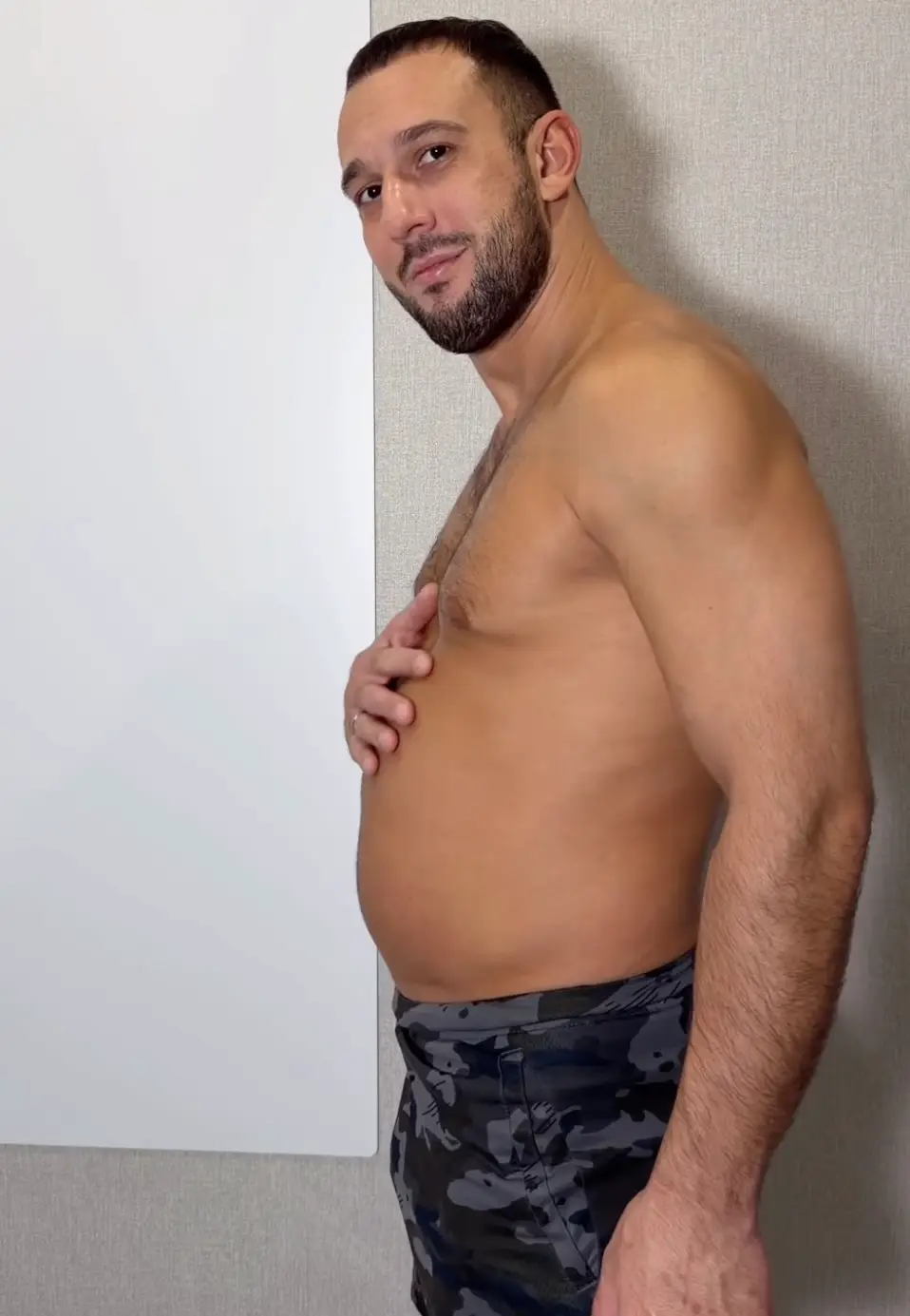
Nuyanzin was reportedly consuming 10,000 calories a day as part of his challenge (Instagram/@dmitryfit)
Advert
In a post shared on 21 October, Nuyanzin wrote: “Friends! My WEIGHT LOSS COURSE is starting very soon, where you can win awesome prizes and, most importantly, build a beautiful body, learn how to eat well, and enjoy working out! I’ll be losing weight with my students, so it’ll be doubly exciting!”
The fitness trainer told his followers that he would pay £100 to anyone weighing over 100kg who managed to lose 10 percent of their bodyweight by the New Year.
But Nuyanzin’s unhealthy diet came back to haunt him, as his heart failed during his sleep, according to Ostorozhno Novosti channel.
He was found unresponsive the day after cancelling training sessions with clients and telling his pals that he felt unwell, while friends said he had planned to see a doctor.
Nuyanzin’s heart ‘stopped beating in his sleep’, according to his loved ones.

The fitness influencer died in his sleep, according to his friends (East2West)
The 30-year-old, who graduated from the Orenburg Olympic Reserve School and the National Fitness University in St Petersburg, has now been laid to rest in the city of Orenburg.
At the beginning of his challenge, Nuyanzin weighed just over 92kg – and by 18 November, he was tipping the scales at 105kg.
In his final social media post, he was seen flaunting his weight gain while eating a bag of crisps in a clip that was captioned: “I wanted it and I was able to!”
Advert
According to the British Heart Foundation, gaining excess weight can have dire consequences for your ticker.

The 30-year-old had been gorging on junk food for weeks (East2West)
It explains: “It can lead to fatty material building up in your arteries (atherosclerosis), increase your risk of high blood pressure, high cholesterol and type 2 diabetes. These are also risk factors for heart disease.
“If the arteries that carry blood to your heart get damaged and clogged, it can lead to a heart attack. If this happens in the arteries that carry blood to your brain, it can lead to a stroke or vascular dementia.”
Nuyanzin’s official cause of death has not yet been reported.
Featured Image Credit: East2West
Topics: Health, Food And Drink, Russia, Viral, World News

Olivia Burke
What will happen to England players’ bodies minute-by-minute at high altitude vs Mexico

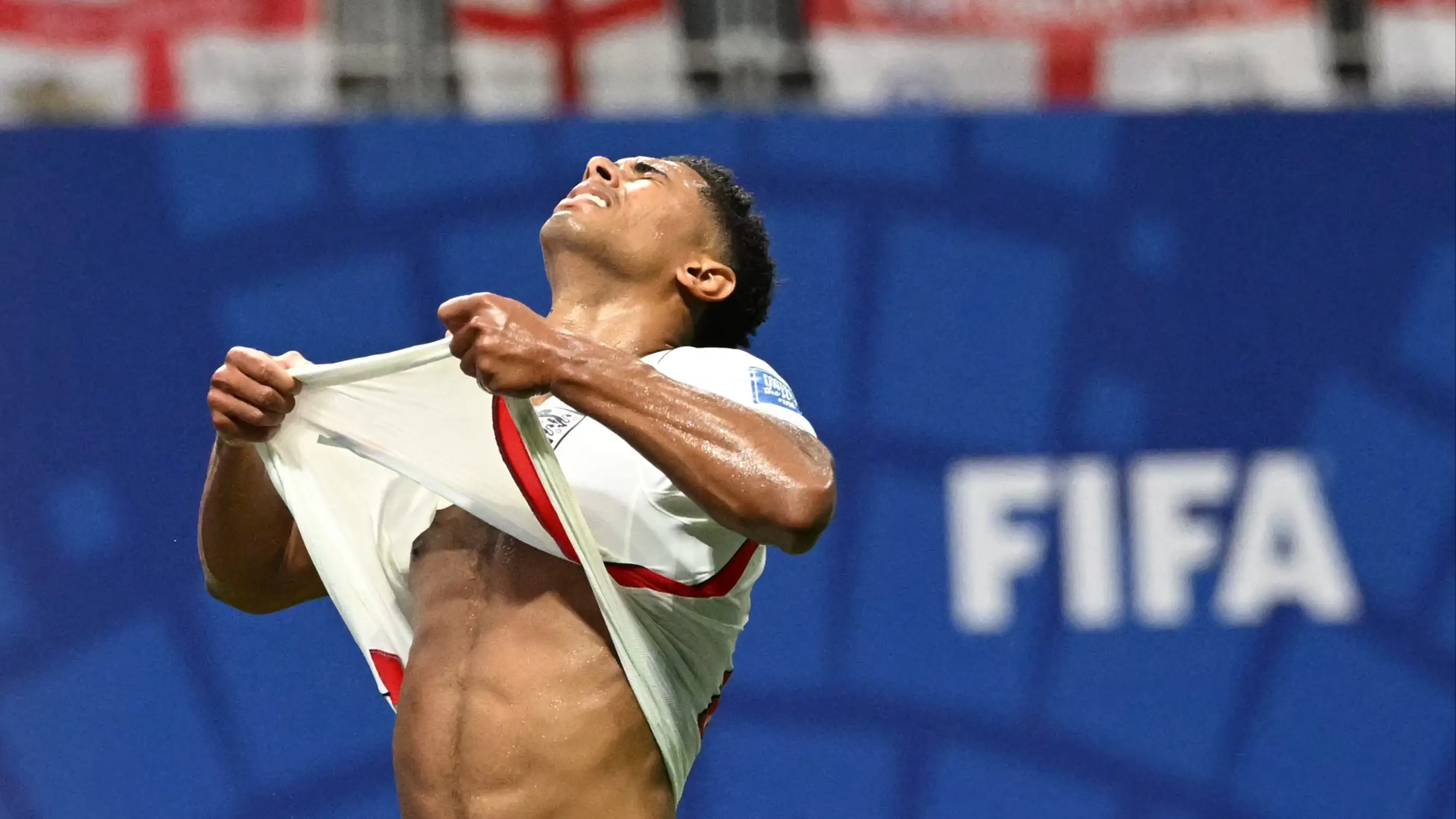
You’re probably already sick of hearing about altitude ahead of England’s World Cup match with Mexico, but how exactly does it impact the body?
England gave us all a fright on Wednesday but managed to get their act together just in time to overcome DR Congo in the Round of 32.
Let’s just all give thanks to the witchdoctor for lifting his curse on Harry Kane.
Advert
Thomas Tuchel’s side’s reward for their dramatic victory is a tricky trip to Mexico where they’ll take on the co-hosts in a banana skin big enough for King Kong.
Though Mexico might not look the most challenging side on paper compared to the Three Lions’ array of Champions League calibre talent, there’s a lot to worry about.
El Tri are yet to concede a goal in the tournament, have home field advantage so will be cheered on by boisterous support of over 80,000 (with some fans no doubt preparing to keep England players awake at their hotel before the game) and the Azteca is a fortress.
Mexico have never lost a World Cup game at their iconic stadium and have only lost two competitive matches there ever, with the last coming in 2013.
Advert
If all that wasn’t enough for the hairs on the back of your neck to prick up, then the dreaded altitude definitely should.
Mexico City stands 2,240 metres, or 7,349 feet, above sea level. So altitude is going to be a major factor, something Tuchel has already admitted.
Here’s exactly what it could do to the England players out on the pitch.
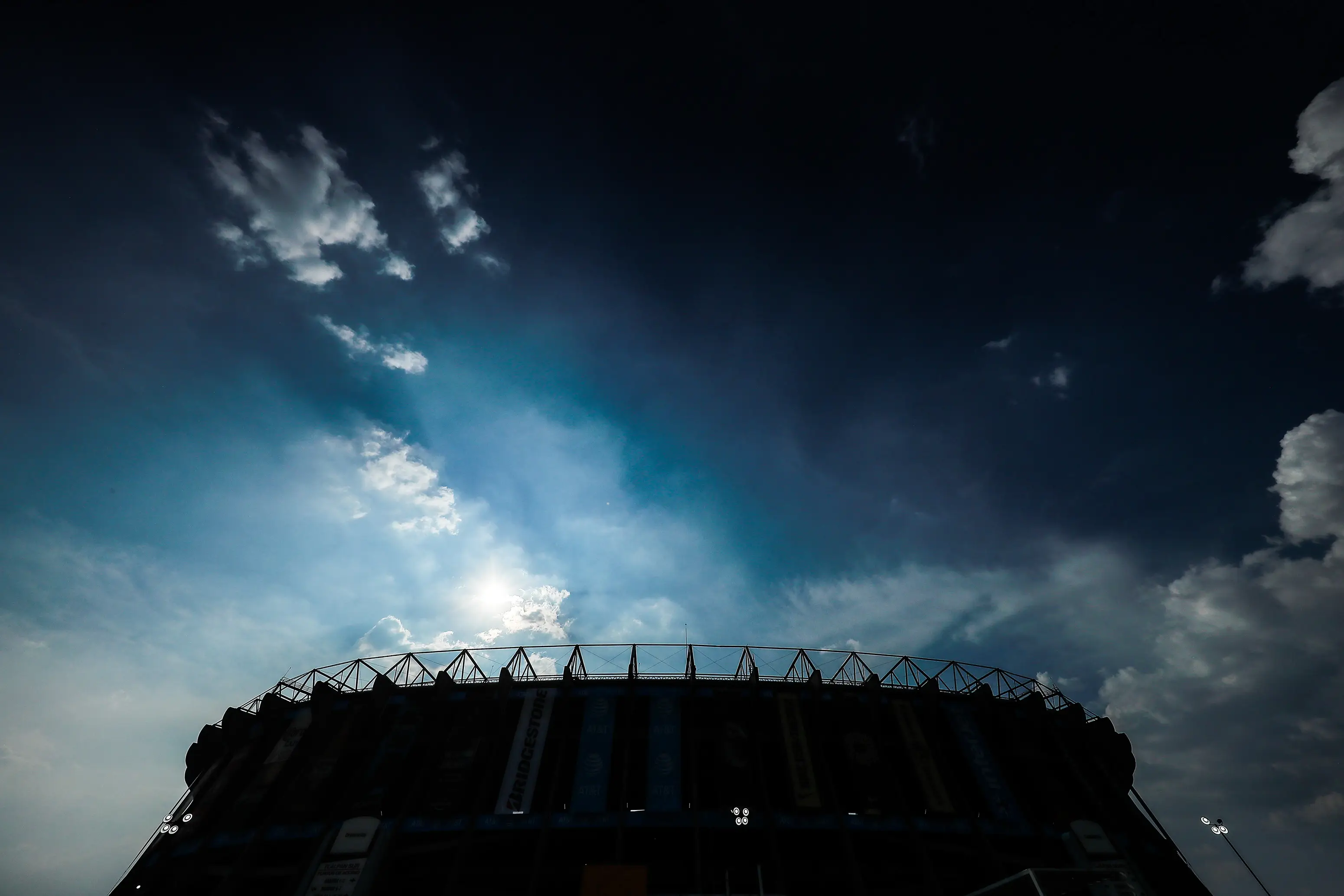
The Azteca, the fortress in the clouds (Hector Vivas/Getty Images)
How does altitude impact the body?
The higher up you go, the less oxygen available in the air you breathe. The less oxygen going into your body, the less that’s available for your brain and muscles.
Given we need oxygen to live, a lack of it can obviously take its toll, impacting your ability to make decisions as well as your physical capabilities.
“Whenever you go to high altitude, everything becomes harder, if you try and run up the stairs or try and play a football game. It is going to have an impact,” Nick Hart, a senior performance specialist at The Altitude Centre tells LADbible.
“When you’re trying to play a high performance, those small differences have a great impact.”
It typically takes 10-14 days for a person to fully acclimatise to high altitudes and shake off the effects of altitude sickness.
Advert
Mexico have played their entire World Cup campaign at great heights and are used to the conditions. England have no such luxury.
Instead, they will attempt to deploy the ‘fly-in, fly-out’ method, a technique which sees athletes leave their arrival to high altitudes as late as possible so they can compete in their event and depart before the effects of altitude sickness take hold, which is typically just after the two-day mark.
“As such, the fly-in, fly-out method is beneficial as you minimise the early fatigue, development of high-altitude related illnesses and sleep disturbances, while living and training at altitude and maintain normal training quality,” Dr Daniel Snape, Research Fellow and Environmental Physiologist at Leeds Beckett University tells LADbible.
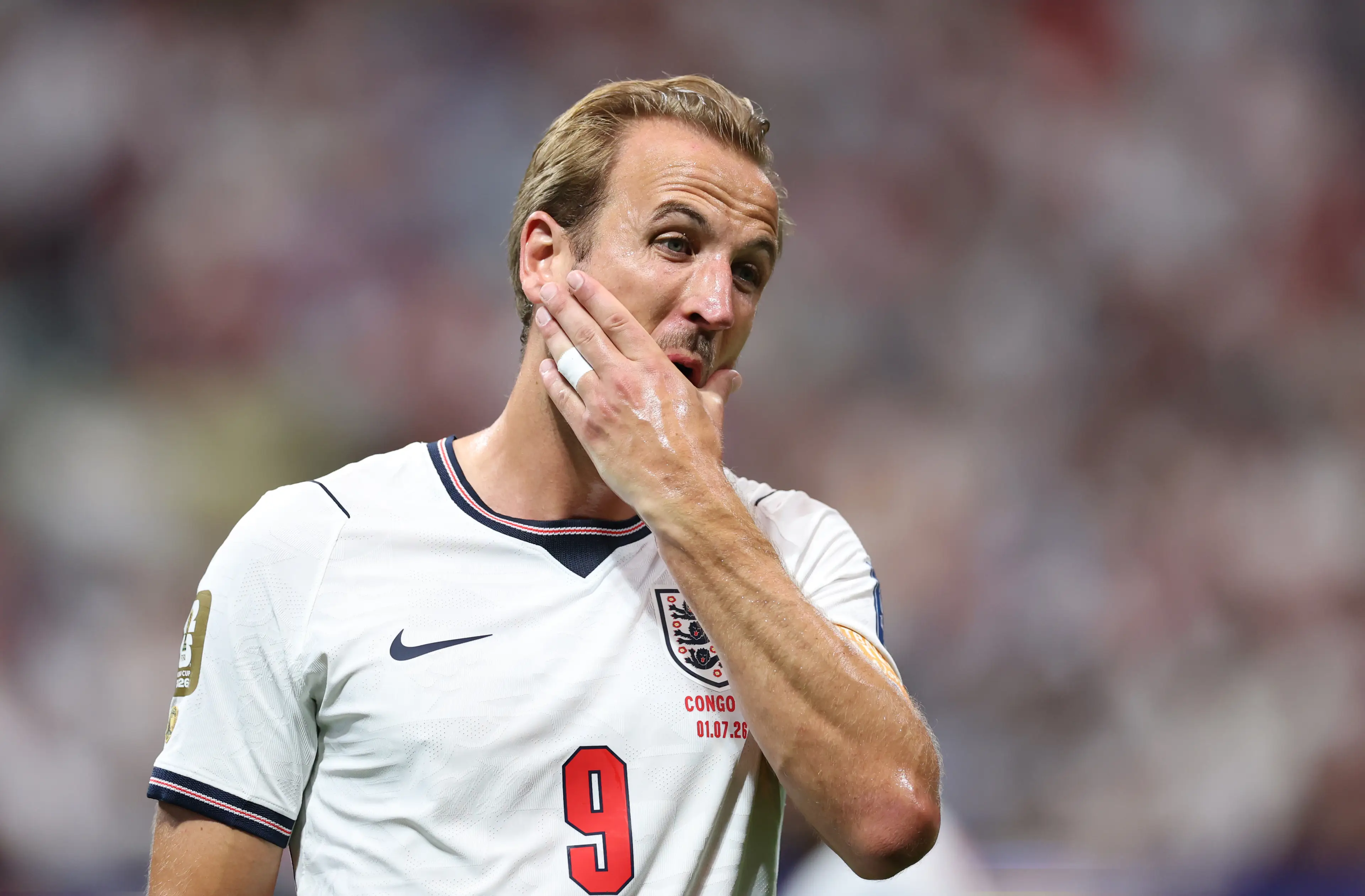
Harry Kane scored twice against Congo (Joosep Martinson – FIFA/FIFA via Getty Images)
Yet, even that method won’t be perfect for England, as they have to fly in to Mexico City on Friday afternoon, rather than Saturday or even Sunday, due to a FIFA rule that states teams must train in ‘venue-specific sites’ close to the stadium on the day before a game from the last 16 onwards.
“The recommendation is you either go 10 days before – which is too long for us – or last minute, which is not allowed [by Fifa],” Tuchel said. “We have spoken to teams who do it and they say they travel very, very late on match day if they cannot have time to adapt. [We must] find a mixture in between.
“It will stay as a disadvantage.”
Advert
As a result, the altitude is bound to affect the manager’s approach, as well as how the players fare over 90 minutes.
Minutes 1-23
Dr Snape believes the altitude will ‘almost certainly’ impact how Tuchel sets his side up for the game.
He expects England to modify their pressing strategy with ‘selective pressing,’ rather than running pedal to the metal throughout. He also predicts a ‘more possession focused’ approach to the match, with England looking to keep the ball rather than make it a game of transitions.
Dr Snape says England could ‘start well’ but ‘struggle to maintain tempo and physical dominance.’
Minutes 26-45
Dr Snape explains Mexico’s “prolonged exposure should be advantageous, as teams based at altitude gain an advantage of ~0.5 goals per 1,000m of elevation gain compared to teams based near sea-level.”
Mexico have set up to blitz their opponents in the first half of games during the tournament, with great success. They may look to do the same against England, who were shaky early on against DR Congo.
Advert
The hydration break could be very useful in the conditions to give England a chance to catch their breath, maybe literally if they utilise oxygen masks.
Yet, the longer the half goes on, the more England could start to feel the impact of the high altitude, with their ‘high-intensity output being reduced.’
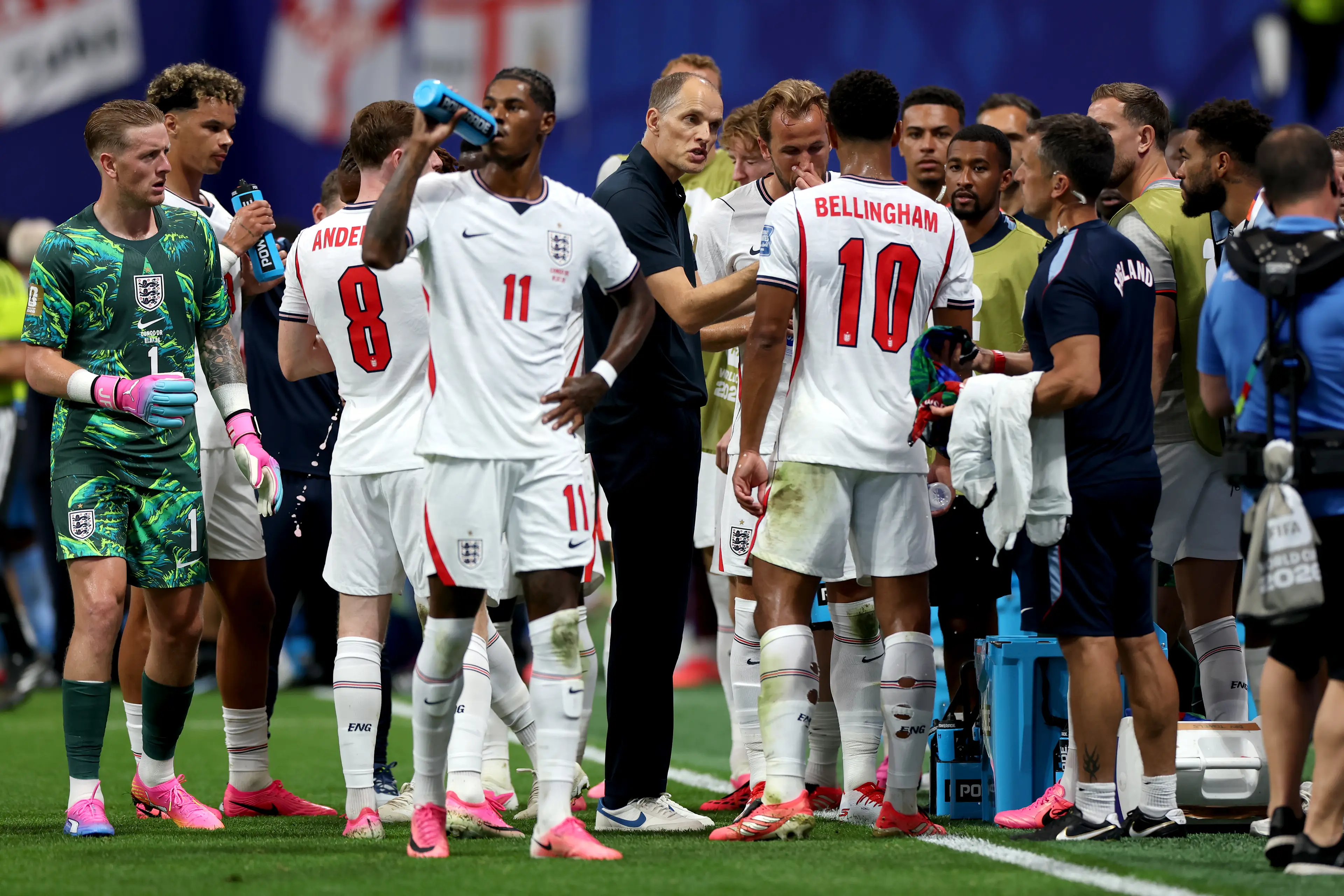
Hydration breaks could be crucial in Mexico (Eddie Keogh – The FA/The FA via Getty Images)
Minutes 45-60
Though the half-time break gives England another chance to recuperate, the impact of altitude on the players will likely have started taking their toll.
Dr Snape explains: “Such altitude impairs sprint and repeated-sprint performance and running performance in elite footballers.
“Tactical and skill performance may also be negatively affected because altitude can impair decision-making speed, executive function and visual search ability.”
Tuchel hasn’t made a substitution before the 61st minute so far in the tournament, but the expert thinks we could see ‘earlier and more strategic substitutions’ in the game to try and keep the XI fresh.
Minutes – 60-72
It’s around the hour mark where England could really start feeling the strain after so much physical exertion without taking in the amount of oxygen their body is accustomed to.
Dr Snape predicts ‘early fatigue onset’ after 60 minutes, which could see England ‘start losing control’ in the closing stages.
England will also suffer from ‘lower recovery between sprints’, taking longer to be ready to go again after every hard, fast run.
Minutes 72-90
With all these factors, England’s energy and concentration levels could be completely zapped after the final hydration break.
That could lead to ‘increased defensive vulnerability’ and provide Mexico with plenty of openings to score, with them likely to be the fresher side.