
 Follow us on Google Discover
Erling Haaland’s immediate impression at the 2026 World Cup continues as we head in to the knock out phase of the world’s greatest sporting competition.
And with five goals to his name during the first four games of the World Cup – topped only by the Lionel Messi (who else?) and Kylian Mbappe – he is showing that he really is world class on every stage despite Norway’s outside odds of winning the whole thing.
His goals have meant all eyes have been on the imposing footballer during his celebrations, including his Norway jersey where those glued to their TVs have noticed the name on the back of the shirt is different to his Manchester City top.
Haaland he is not. Enter ‘Braut Haaland’. There’s a very good reason for it too.
Advert
Brazil now awaits for Haaland after scoring the winning goal against the Ivory Coast on Tuesday in Arlington, Texas – a state with quite bizarre rules tourists should know about – all eyes were once again on the name you see on the back of his jersey; a name that is all to do with the big man’s heritage.
See, Erling’s dad is retired Norway, Nottingham Forest, Leeds United, and Man City footballer Alf-Inge Haaland. A big time Barclaysman, he’s perhaps known virally for his coming together with Manchester United’s Roy Keane (IYKYK) during Alf-Inge’s City days. Not one for those with knee injuries.
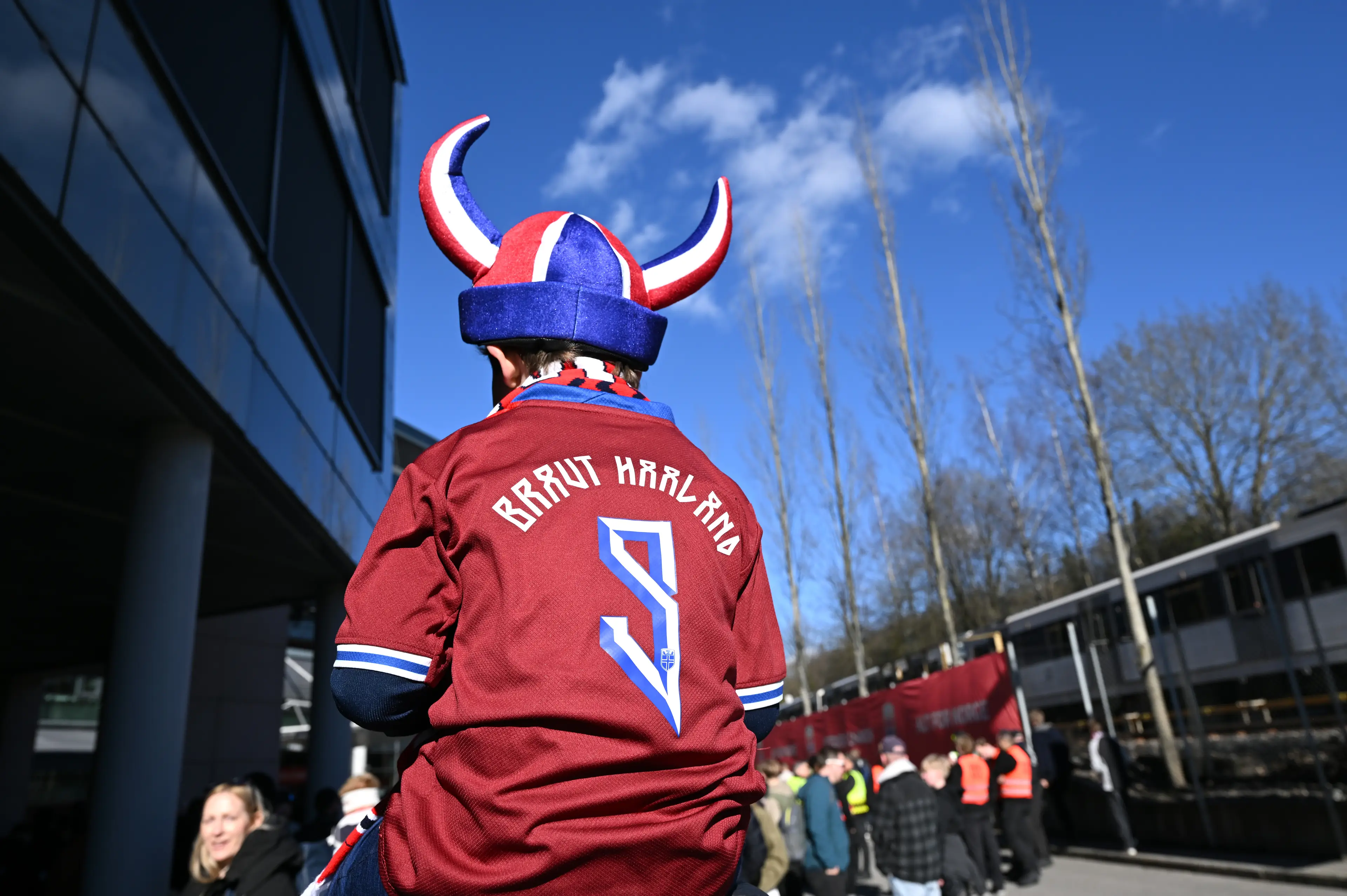
A fan wearing a Braut Haaland jersey (Stuart Franklin/Getty Images)
Advert
In a hugely symbolic move of where he came from, Erling’s Norway shirt name is part of him recognising his heritage with his full, legal name actually being Erling Braut Haaland.
Braut is his mother’s maiden name, her being former women’s heptathlon athlete Gry Marita Braut.
As The Athletic reports, Haaland is also using ‘Braut’ on his social media handles and is in fact ‘reflective of Norwegian custom, where it is more common for both maternal and paternal names to be used’.
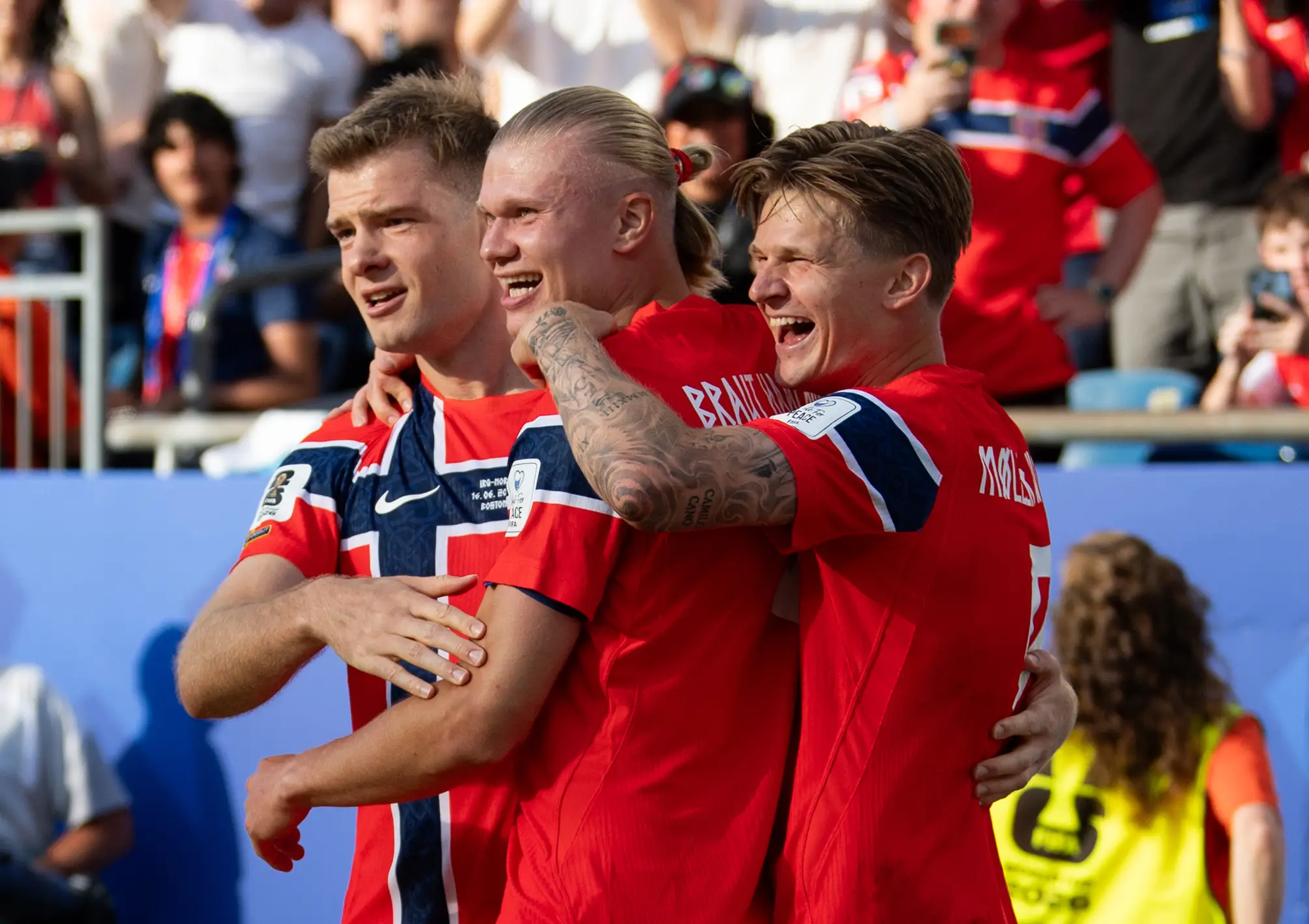
Norway could go deep in this tournament (Joe Prior/Visionhaus via Getty Images)
World Cup shirt controversy
World Cup jerseys have caused a stir in this World Cup, with FIFA already moving to make Haiti redesign their sold-out national shirt.
Advert
Their first World Cup since 1974, the country had honoured the Battle of Vertières – the final battle in Haiti’s Revolution that ended in 1804.
But FIFA has strict rules on political messaging. Supplier of the kit, manufacturing company Saeta, said in a statement: “During the review process, FIFA determined that certain visual elements could be interpreted differently under its equipment regulations and ultimately requested modification to the design.
“The final design was intended as a tribute to the men and women who contribute every day to Haiti’s future and was not intended as a political statement.”
FIFA’s official regulation 28.1 on Kit and Colours Approval states: “The display of political, religious, or personal messages or slogans of any nature in any language or form by players and team officials on their playing, team kits or other clothing considered as outerwear and formal attire, before and after playing, and equipment (including kit bags, beverage containers, medical bags, etc.) or body is prohibited.”
Along with strict regulations on the kit they wear, players face a bevy of rule changes at this year’s World Cup.
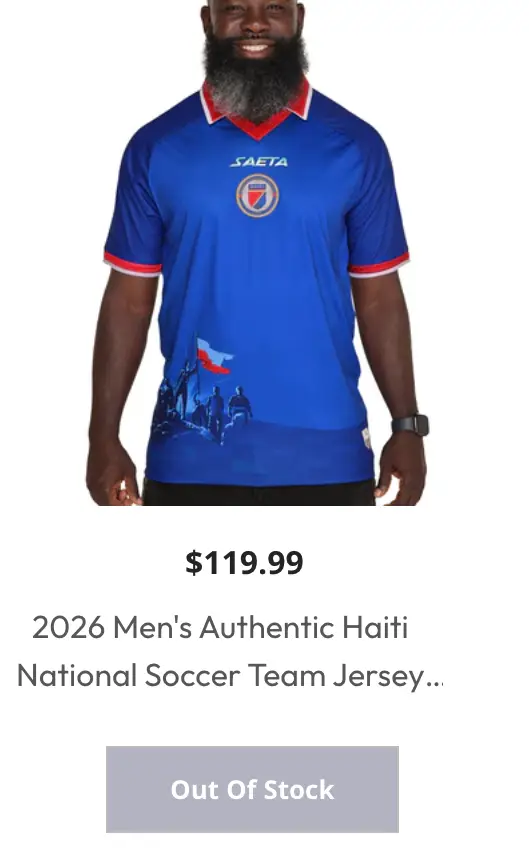
Haiti’s now banned World Cup kit (Saeta)
Six new rules for the FIFA World Cup 2026
This year, there’s been a whole host of rule changes, many of which are designed to speed up the game and penalise players who drag things out. Some of the new regulations are likely to prove controversial.
10-second substitution
Subbed players now have to get a move on and leave the pitch within ten seconds by the nearest exit point. If they haven’t, their replacement will get held up by one minute until the next stoppage of play, and until then, their side will have to play with 10 men.
5-second throw-ins and goal kicks
If a referee thinks a player is taking too long for a throw-in or goal kick, they’ll start a five-second countdown, by which time the ball needs to be back in play. If it’s not, for throw-ins the opposing team will get their own throw-in, or for a goal kick the other side gets a corner.
Advert
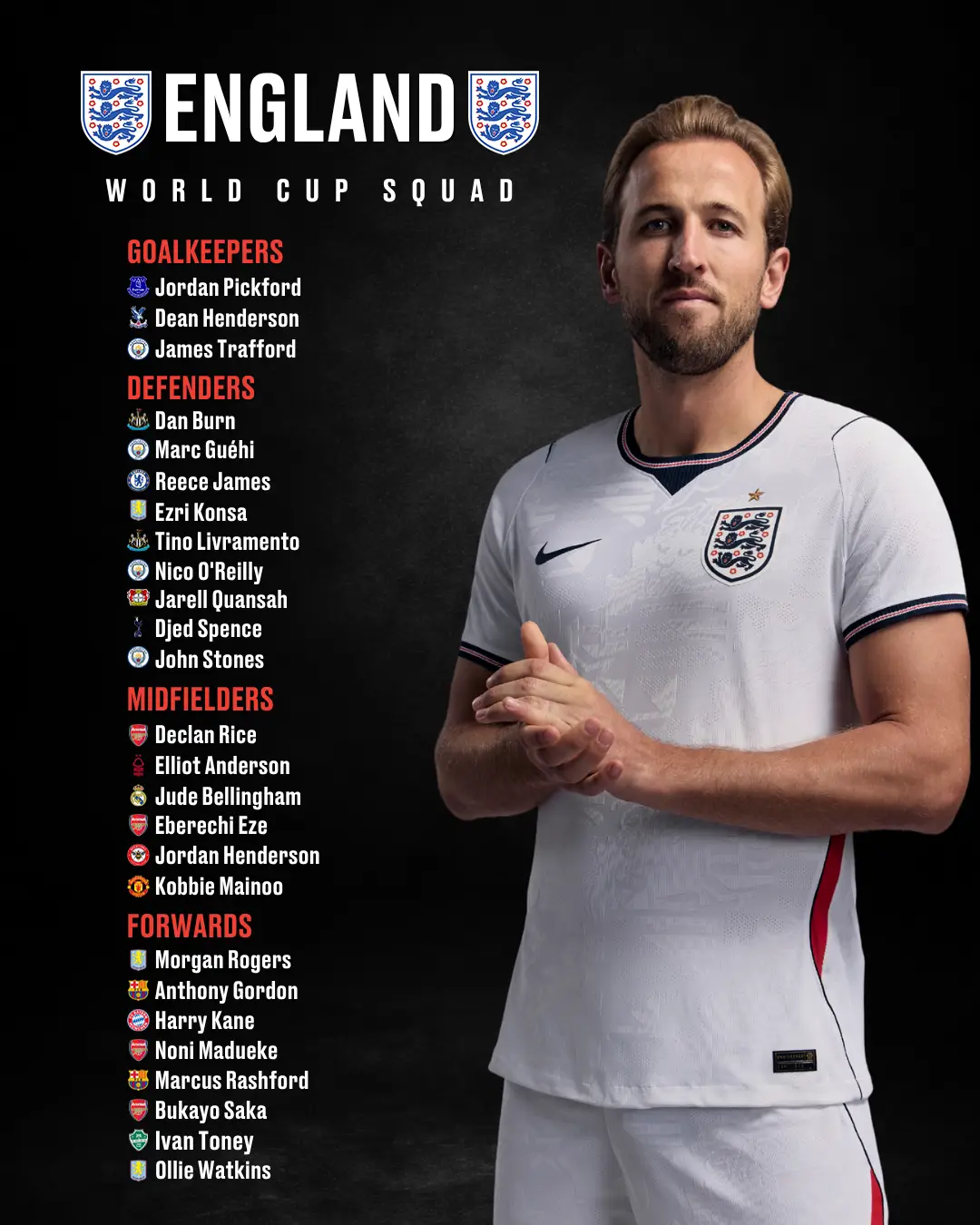
The full England squad (The FA/The FA via Getty Images)
Injured players to remain off the pitch for one minute
An injured player treated by medical staff off-field has to stay off the pitch for one minute, leaving their side with just 10 players.
More VAR
VAR can now be used to review an incorrectly awarded corner kick; second yellow cards resulting in a red card; when a player is incorrectly awarded a yellow or red card for another player’s actions; and any attacking fouls that occur before the ball is in play.
Players can’t cover their mouths
Players who cover their mouths in confrontational situations will be handed a red card. It’s believed players might cover their mouths to guard against lip readers while racially abusing other players, which some suspect has happened in the past.
Red cards for players leaving the pitch
Any player who leaves the pitch in protest over a referee’s decision will be handed a red card, and if a team walks off and causes a match to be abandoned, they’ll forfeit the game.
Featured Image Credit: Simon M Bruty/Getty Images
Topics: Manchester City, World Cup, World News, Football

Tom Earnshaw
Radical idea to change World Cup penalty shoot-outs is gaining momentum – but not everybody agrees
There have been plenty of big changes at the World Cup this summer but fans have come up with a radical idea which could change the game entirely.
Football’s biggest tournament has already thrown up plenty of dramatic and controversial moments, many of which have included some of the new features introduced by FIFA.
We’ve seen former Newcastle United star Miguel Almiron sent off simply for covering his mouth, while the less said about the hydration breaks the better.
Advert
But it seems as if a lot of viewers now want to revamp something which is beloved amongst football fans across the globe, so long as the team you support aren’t involved.
That’s right, it’s the penalty shootout. We England fans haven’t exactly had great success when it comes to deciding a match via this route, with the Euro 2020 final, or the infamous Italia 90.
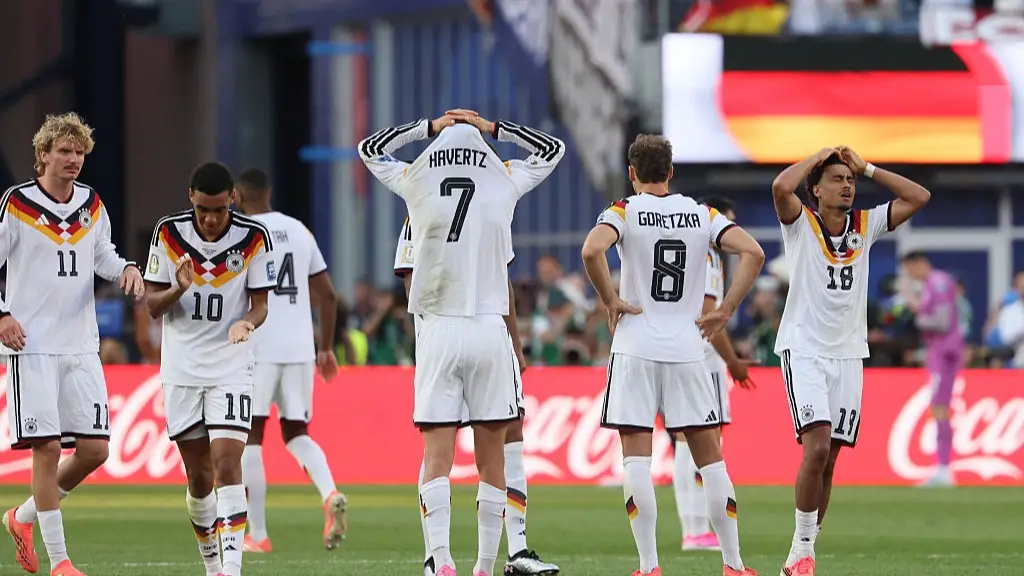
The great thing about penalties is that they are never a foregone conclusion and anyone can win, as Paraguay showed last night with the usually unflappable Germans losing a World Cup shootout for the first time in their history.
Advert
However, despite that exciting upset, it appears as if a lot of folks online are arguing that the game shouldn’t have been decided in that matter and that a penalty shootout should actually come before extra-time.
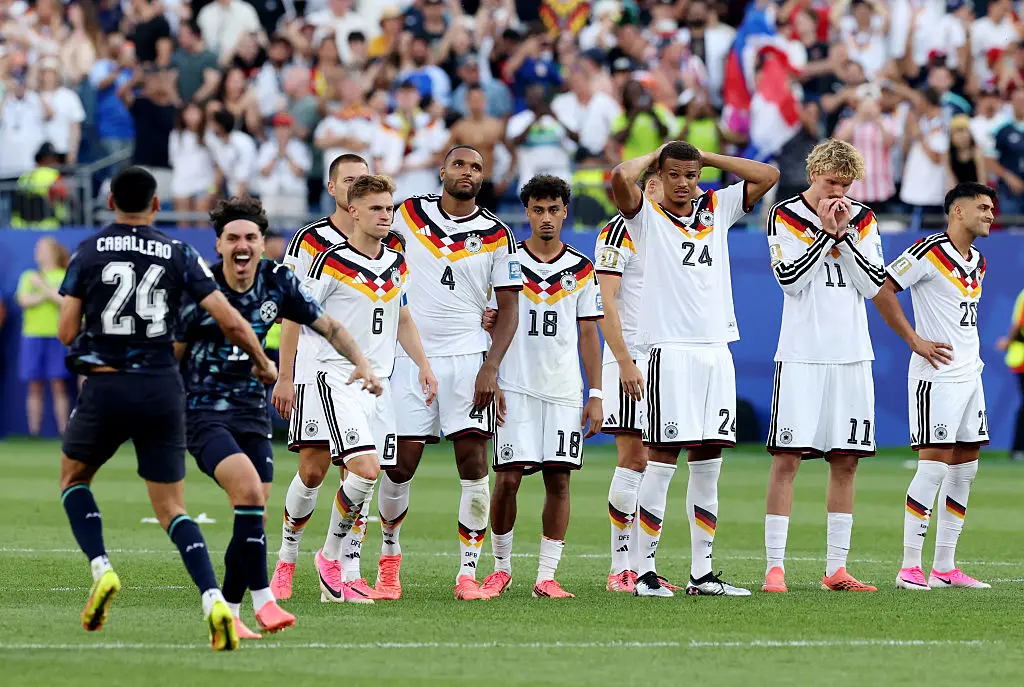
We wouldn’t have had moments like yesterday with this new rule (Alexander Hassenstein/Getty Images)
Since the Netherlands’ game against Morocco was also decided on penalties after a disappointing extra time period, there seems to be a consensus that those extra 30 minutes don’t have enough jeopardy, since neither side wants to make a mistake that leads to them losing the game.
It is suggested then that the loser in the penalty shootout has to score in the following period of extra-time, as otherwise they’ll be sent home as the losers of the shootout. While this might add a little drama, it’s probably fair to suggest that the winners of the shootout would have no reason to go for a goal and would likely just defend and waste time for that 30-minute period.
One fan wrote: “There are far too many shootouts deciding games now. Keep the penalties, but have them before playing extra time, and if it’s still a draw AET, the winner of the shootout goes through. That way you get half an hour of football where someone HAS to score.”
Another suggested: “Play the penalty shootout straight after 90 mins.
“The winner of the shootout gets a 0.5 goal lead going into 30 mins of extra time.
“Now the team that lost the pens has a chance to win and crucially, no matter score, there is one team that has to go for it at all times, making extra time fun too.”
Advert
The comments under those posts suggest that there’s a lot of people who do agree that a change is needed, but it would be a surprise to see FIFA introduce something so radical.
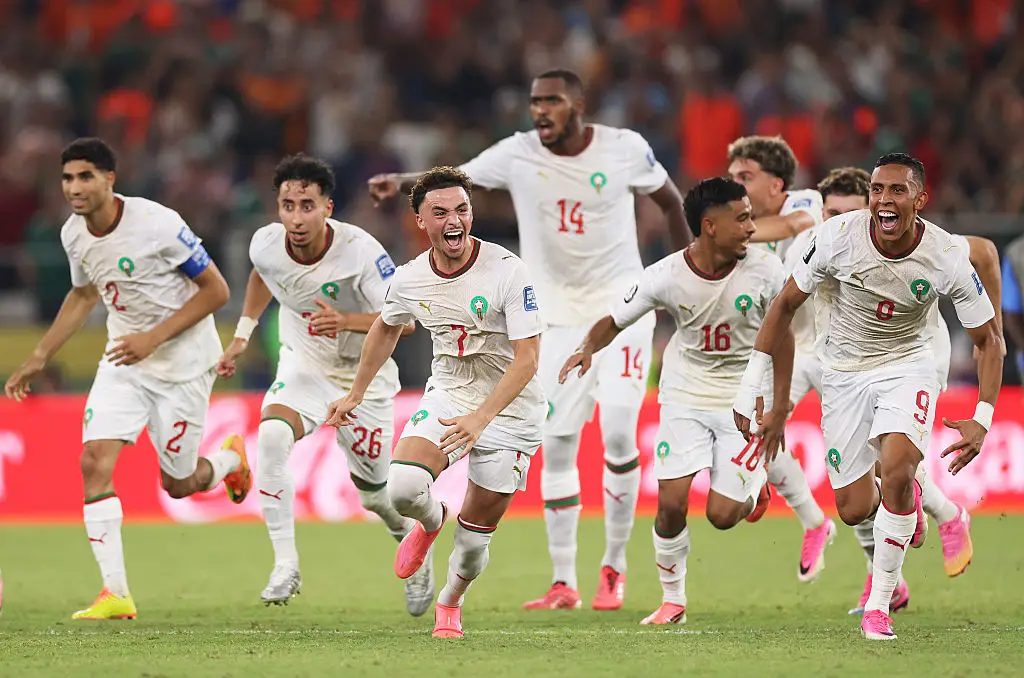
Morocco also experienced the joys of shootout victory after their late equaliser (Carl Recine/Getty Images)
This is probably where football twitter would use that image of Sean Dyche standing in front of a green wall because the concept of a 0.5 lead is probably too much for fans to take.
We of course used to have a golden goal until 2002, where a team had to score in extra-time, but those of a certain age will remember those games being pretty boring in extra-time as well.
Personally, the fact that Paraguay held Germany for 120 minutes means that they probably deserved the chance to win on penalties, even if they didn’t play with a style that everyone enjoyed.
Plus, you’re also taking some of the drama away from the penalty shootout, as if the extra time does finish as a draw, then that’s just the game over immediately over and fans don’t have a chance to celebrate something that happened 30 minutes ago.
There’s no doubt that there are some changes which are required to get football back to the beautiful game we all love, but until England lose a game on penalties at this World Cup, I reckon most fans are happy to stick with the traditional rules for now.
Advert
Featured Image Credit: Odd ANDERSEN / AFP via Getty Images

James Moorhouse
How much England players get paid for World Cup games despite choosing to give it away
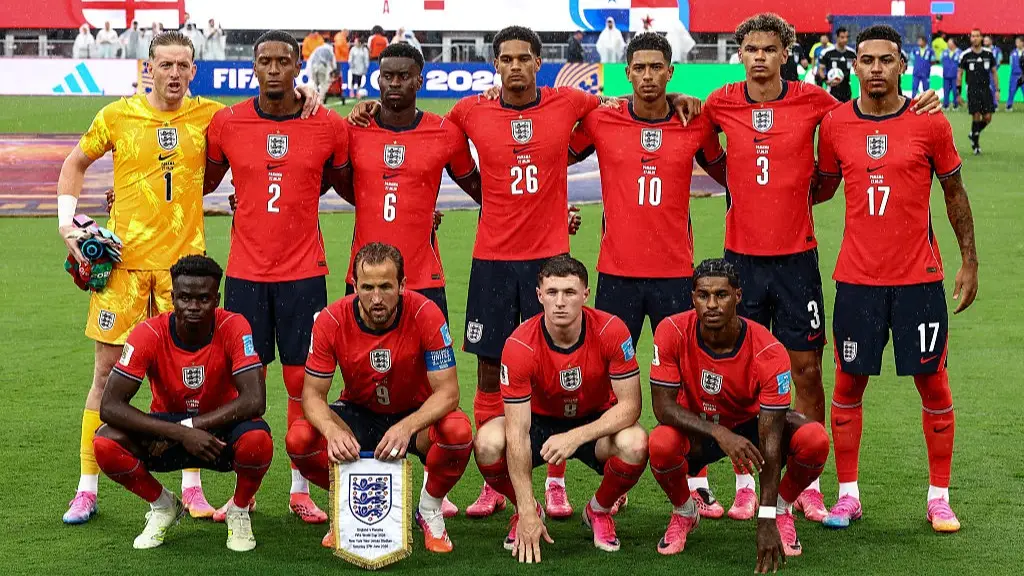
Ever wondered how much stars such as Harry Kane, Bukayo Saka or Jude Bellingham made every time they put on an England shirt?
It’s actually a lot less than you’d expect.
The Three Lions each receive a base match fee of £2,000 for an appearance in a national team game, a figure which is most likely pocket change when compared to the insane salaries Premier League stars take home every week.
Advert
But the team actually walks away with even less, as each player donates all of the money to charity.
Why do England players donate their match fees to charity?
The earnings instead go to the England Footballers Foundation (EFF), a charity founded in 2007 by senior national team stars such as David Beckham, Gary Neville, Rio Ferdinand, Frank Lampard, John Terry, Jamie Carragher and Steven Gerrard.
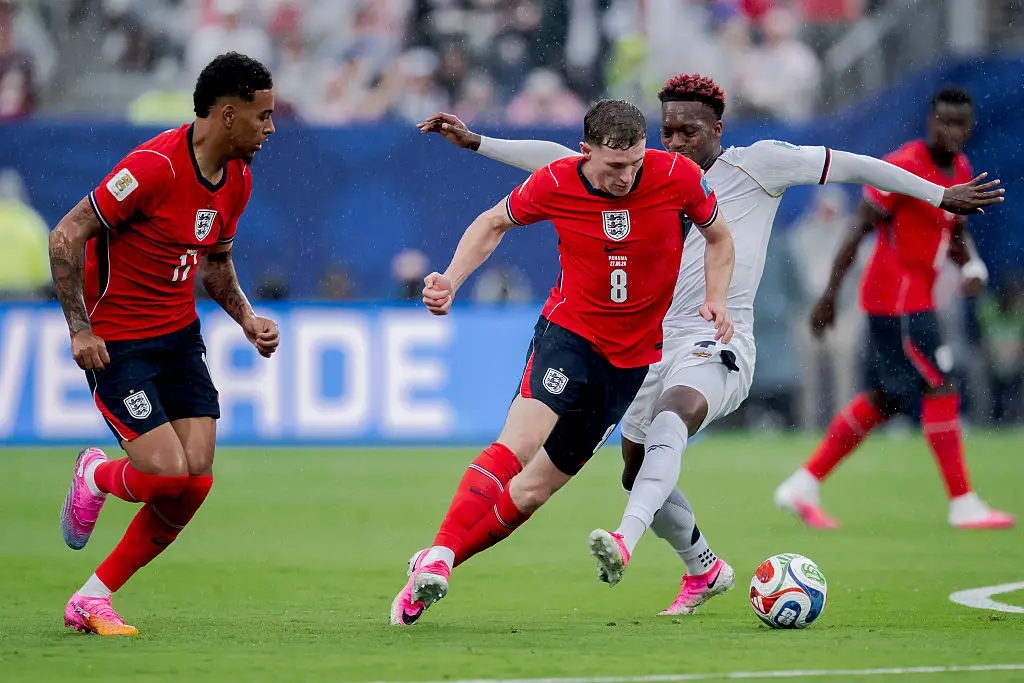
Players for England men’s team have been donating their salaries since 2007 (Jussi Eskola/Soccrates/Getty Images)
Advert
“The work that’s been going on for 10 years with the charities so far has been outstanding,” Neville said of the foundation in 2017. “The lives that it impacts and affects is fantastic.”
The accumulated funds are then distributed amongst chosen charity partners such as Bobby Moore Fund, Help for Heroes and UNICEF.
And it turns out that players’ £2,000 salaries quickly add up, as the charity has raised approximately £15 million for the initiative since it first started.
This will increase during the 2026 tournament, with England playing at least four matches, donating a minimum of £88,000 for their efforts, not factoring in substitutions.
Should Thomas Tuchel’s team go the whole way and they could expect to hand over at least double the amount.
How much will England make if they win the World Cup?
Of course, England haven’t rocked up in North America to play purely for the love of the game, as reports suggest there is a pretty nice bonus waiting should the team be able to bring home the trophy.
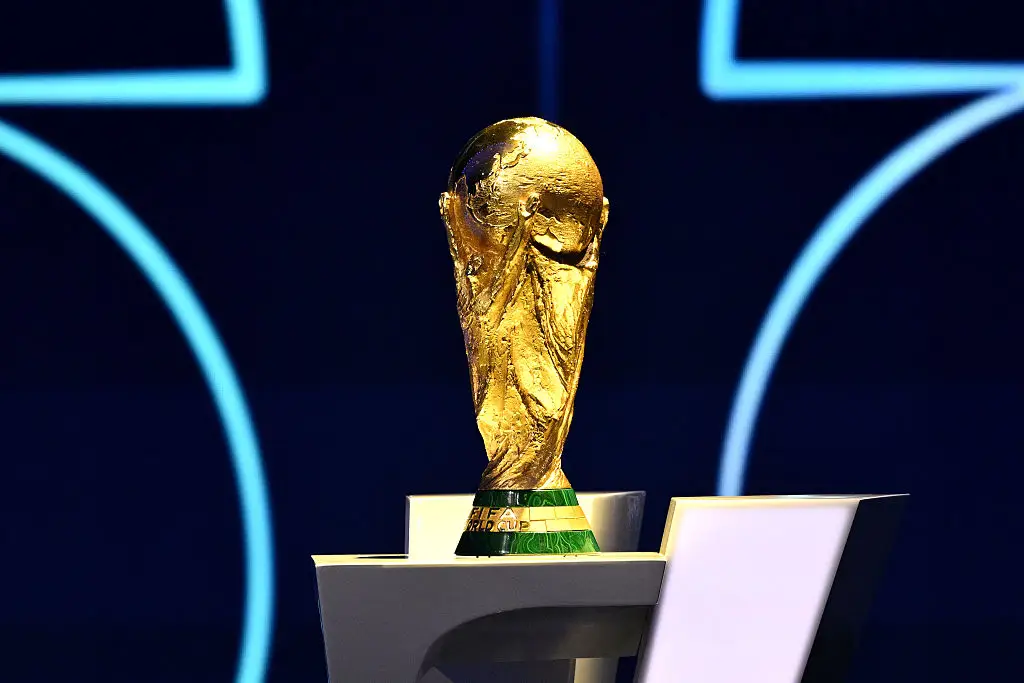
There are of course financial bonuses for lifting the trophy (Mandel NGAN – Pool/Getty Images)
Win on 19 July, and each player could be in for a lucrative bonus of £500,000 each, while head coach Tuchel could bag millions for leading the team to glory.
This isn’t the only payout teams receive either, with FIFA paying each nation’s respective football association for how far they progress.
Advert
According to figures shared by Metro, England will net a cool £6.7 million for finishing the group stage, which again increases as they progress.
The full breakdown of prize money is:
- Group stage: £6.7m
- Round of 32: £8.2m
- Round of 16: £11.2m
- Quarter-finals: £14m
- Fourth place: £20m
- Third place: £21.6m
- Runners-up: £24.6m
- Winners: £37.2m
Featured Image Credit: (CHARLY TRIBALLEAU / AFP via Getty Images)

Brenna Cooper
Simulation has just predicted who’ll win the World Cup and it may upset fans
A simulation has determined who is most likely to win the 2026 World Cup, who they’ll face in the final, and how far England and Scotland will make it in the tournament.
The summer’s festival of football gets underway on Thursday (11 June) when co-hosts Mexico take on South Africa. But with kick-off just a day away, excitement seems surprisingly subdued.
Extortionate ticket and travel costs have angered supporters, while the US have caused controversy with their treatment of fans, players and even banned Somalian referee Omar Abdulkadir Artan.
Advert
Yet, the mood will almost certainly improve once the football gets underway.
England are aiming to end 60 years of hurt and Thomas Tuchel’s side face old foes Croatia in their opening game on June 17, while Scotland play their first World Cup match since 1998 against Haiti on June 14.
Millions of Brits will be dreaming of a miracle this summer, but an in-depth tournament simulation from the University of Reading has thrown cold water on those aspirations.
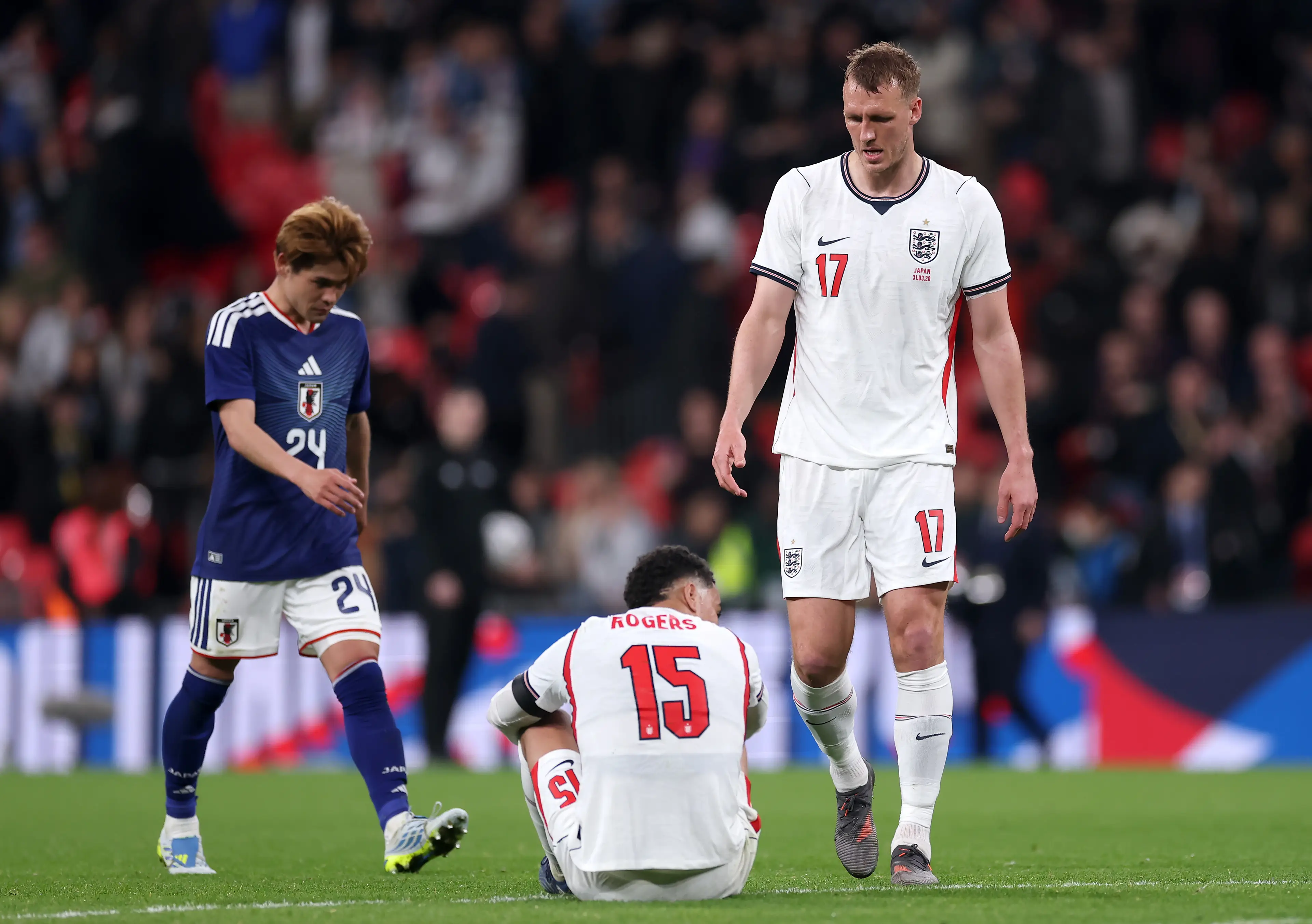
Do England have a chance this year for winning the World Cup? (Alex Davidson – The FA/The FA via Getty Images)
Advert
We don’t have Paul the Octopus anymore (RIP to a legend) but we do have economist professor James Reade, who has modelled every match from the newly-expanded 48-team tournament 10,000 times to determine the most likely outcome.
He’s analysed each country’s international matches since January 2023 to determine their attacking and defensive strength, and also builds in a home advantage factor for matches that aren’t played at neutral venues.
The model estimates how many goals each team will score, who will win each group stage, and then runs through the knockout stages, including extra time and penalties, to find an ultimate winner.
England and Scotland not predicted to win the 2026 World Cup… but there is some good news
According to his simulation, the current title holders Argentina will win the World Cup for a fourth time.
Spain win the silver medal in the prediction, with Lionel Messi’s men defeating them in the final for a second tournament in succession.
France and Portugal are touted to finish in the semi-finals, with England predicted to only make it as far as the quarter-finals with a fifth place finish. However, Reade does clarify that the gap between the top teams is so close that the Three Lions could easily outperform that prediction.
Advert
“Argentina come out on top, but what stands out most from this simulation is how tight it is at the summit,” he said. “France and Spain are virtually indistinguishable in the model, and England aren’t far behind either.
“It has been 60 years since England last lifted the trophy, and the simulation suggests football could finally be coming home.”
It’s bad news for Scotland, though, as the model predicts they will finish 36th – below Panama, Uzbekistan and Australia – meaning it doesn’t think they will make it out of their tough group also containing Brazil and Morocco.
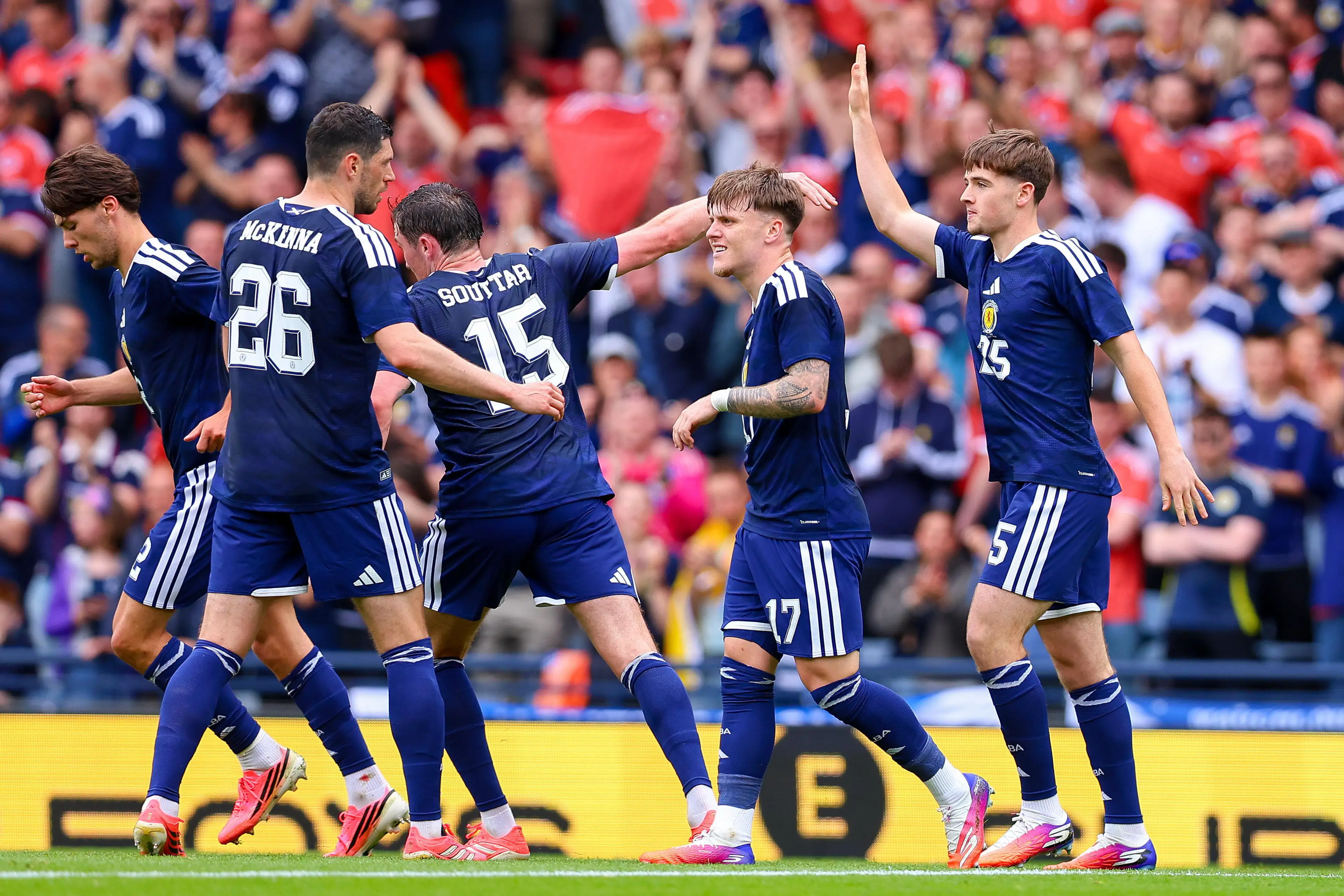
It’s anticipated that Scotland won’t be taking the victory in this year’s World Cup (Ryan Crockett/DeFodi Images/DeFodi via Getty Images)
The full rankings from the simulation, along with each country’s probability of winning, are:
- Argentina – 24%
- Spain – 13%
- France – 12%
- Portugal – 9%
- England – 9%
- Portugal – 9%
- Colombia – 5%
- Brazil – 5%
- Netherlands – 3%
- Belgium – 3%
- Croatia – 2%
- Morocco – 2%
- Uruguay – 2%
- Japan – 2%
- Switzerland – 2%
- Ecuador – 1%
- Norway – 1%
- Austria – 1%
- Senegal – 1%
- Algeria – 0%
- Iran – 0%
- Paraguay – 0%
- Australia – 0%
- USA – 0%
- Canada – 0%
- Egypt – 0%
- Mexico – 0%
- Turkey – 0%
- Ivory Coast – 0%
- Scotland – 0%
- Czech Republic – 0%
- Uzbekistan – 0%
- DR Congo – 0%
- Tunisia – 0%
- Sweden – 0%
- South Korea – 0%
- South Africa – 0%
- Iraq – 0%
- Curaçao – 0%
- Haiti – 0%
- Ghana – 0%
- Bosnia-Hz. – 0%
- New Zealand – 0%
- Cape Verde – 0%
- Qatar – 0%
- Jordan – 0%
- Saudi Arabia – 0%
- Panama – 0%
Who are the favourites to win the World Cup?
The bookies in the United Kingdom strongly disagree with Reade’s simulation, with Argentina only rated as the sixth favourites to win at 9/1.
Advert
Instead, European Champions Spain are the favourites to triumph in the New Jersey final on July 19 and win yet another trophy.
They are a hair ahead of France in the odds, with England typically being rated third favourite at 13/2.
Cristiano Ronaldo’s Portugal and Brazil round out the top six, while odds on Scotland can be found as high as 300/1.
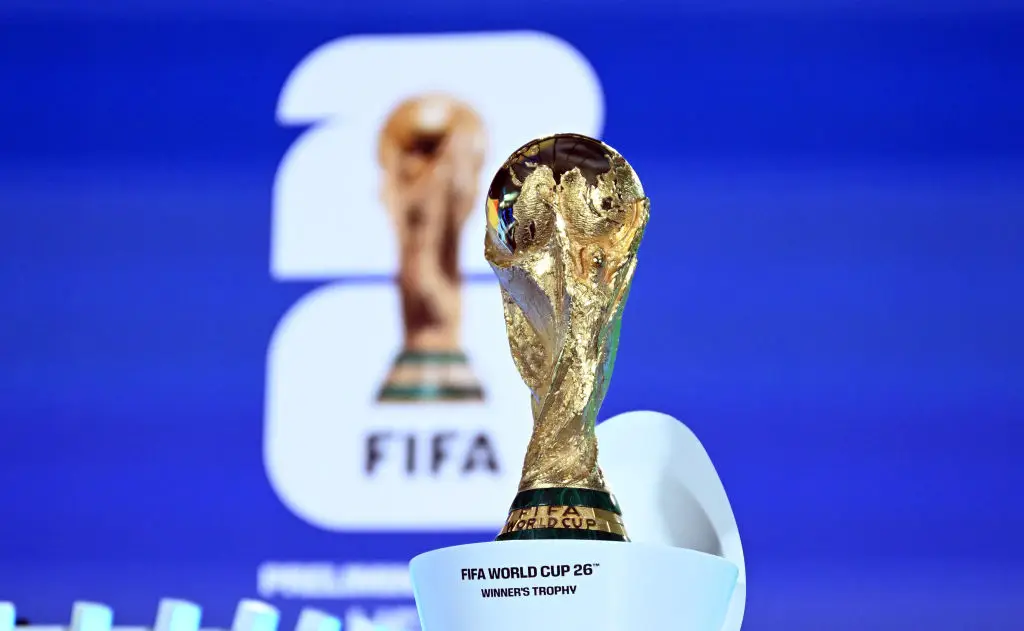
(Dursun Aydemir/Anadolu via Getty Images)
How much does it cost to attend the World Cup?
Football fans wanting to watch the games in person better have deep pockets. Here’s what flights, accommodation, tickets and food and drink will cost England supporters:
Getting there
If you fancied catching England’s opening game against Croatia next Wednesday (17 June), a return flight from London to Dallas, Texas would set you back around £700, according to Skyscanner.
The second and third games are a little cheaper to get to – £400 if you want to watch the Three Lions go up against Ghana in Boston on 23 June, and £500 to see them play Panama in New York on 27 June.
Advert
But now you need somewhere to stay.
Hotel costs
NBC has crunched the numbers on hotels, looking at the average for the five cheapest hotels within 15 miles of the station as of late last month.
In Atlanta for the opening match, the average hotel room is £350 for two nights, and that’s on the cheap side.
A hotel to watch the second game in the group stages in Boston will cost £725, and the third in New York will be £485.
Now to get your ticket for the game…
Ticket prices
Tickets for the opening game against Croatia are still available and going from £430, via Seatpick.
England vs Ghana will set you back at least £330, and the match against Panama £250.
I bet all that number crunching has made you thirsty…
Food and drink prices at the World Cup
Unlike in the UK, football fans are allowed to drink in the stands in the US, Canada and Mexico – if they’re made of money, that is.
Prices at a warm-up match between England and New Zealand at the Raymond James stadium in Tampa, Florida on Saturday (6 June) might give an indication of what to expect in the World Cup proper, which is bad news for fans.
A large beer was advertised at $18.75 (£13.99), while just a bottle of water was priced at $7.50 (£5.60).
Meanwhile, according to Football Ground Guide, a basic meal and a beer will set you back $23.88 (£17.83) at the AT&T Stadium in Dallas, where England’s first game will take place.
For England’s second game at the Boston Stadium (also known as the Gillette Stadium), according to Football 2026 hot dogs are going from £6.30, while burgers will set you back £10.45.
Meanwhile, a basic meal and a beer at the MetLife stadium for England’s match against Panama will cost you £24.87.
Featured Image Credit: Mandel NGAN – Pool/Getty Images
Daniel Murphy
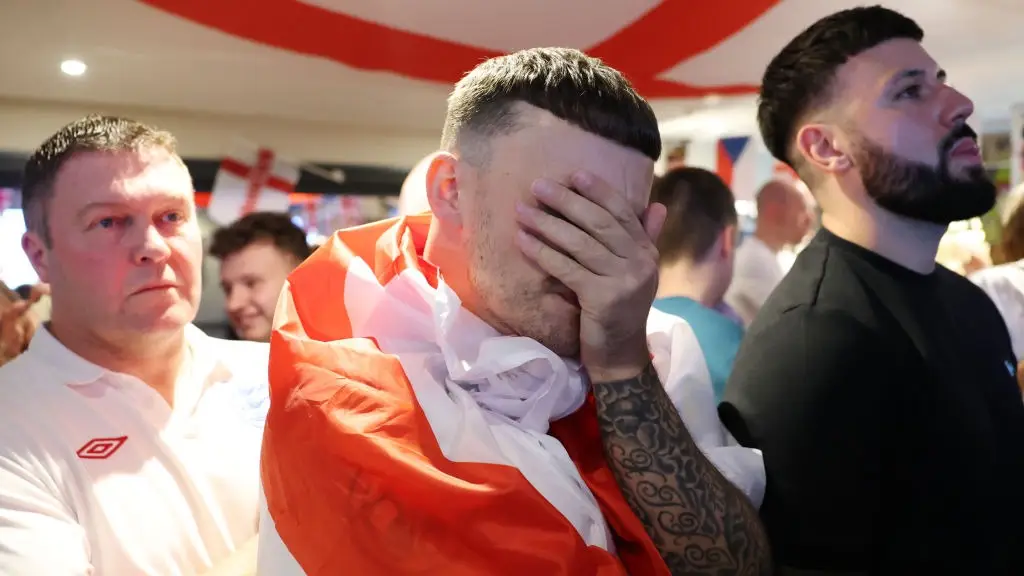
FIFA weather delay rules as fears for fans staying up to watch England 1am Mexico clash with work tomorrow
If it’s not altitude, then it’s the weather that is dominating conversation ahead of England against Mexico.
The epic World Cup encounter at the iconic Azteca has already been a dramatic affair before it has even kicked-off.
With FIFA proposing to move the game forward by six hours due to safety concerns and Mexico fans doing their best to keep England up all night before the game.
Advert
It’s still not even clear if the match will get underway at its scheduled 6pm kick-off time, or 1am in the UK.
England fans back home already have a tough assignment to stay up throughout the night to cheer on the Three Lions before heading to work or school on Monday, but it could get even more challenging if the game is delayed.
With thunderstorms and monsoon style rain forecast for hours ahead of kick-off – though thankfully, it is predicted it’ll die down during the match – significant delays are becoming increasingly likely.
Advert
Here’s what you need to know about the rules.
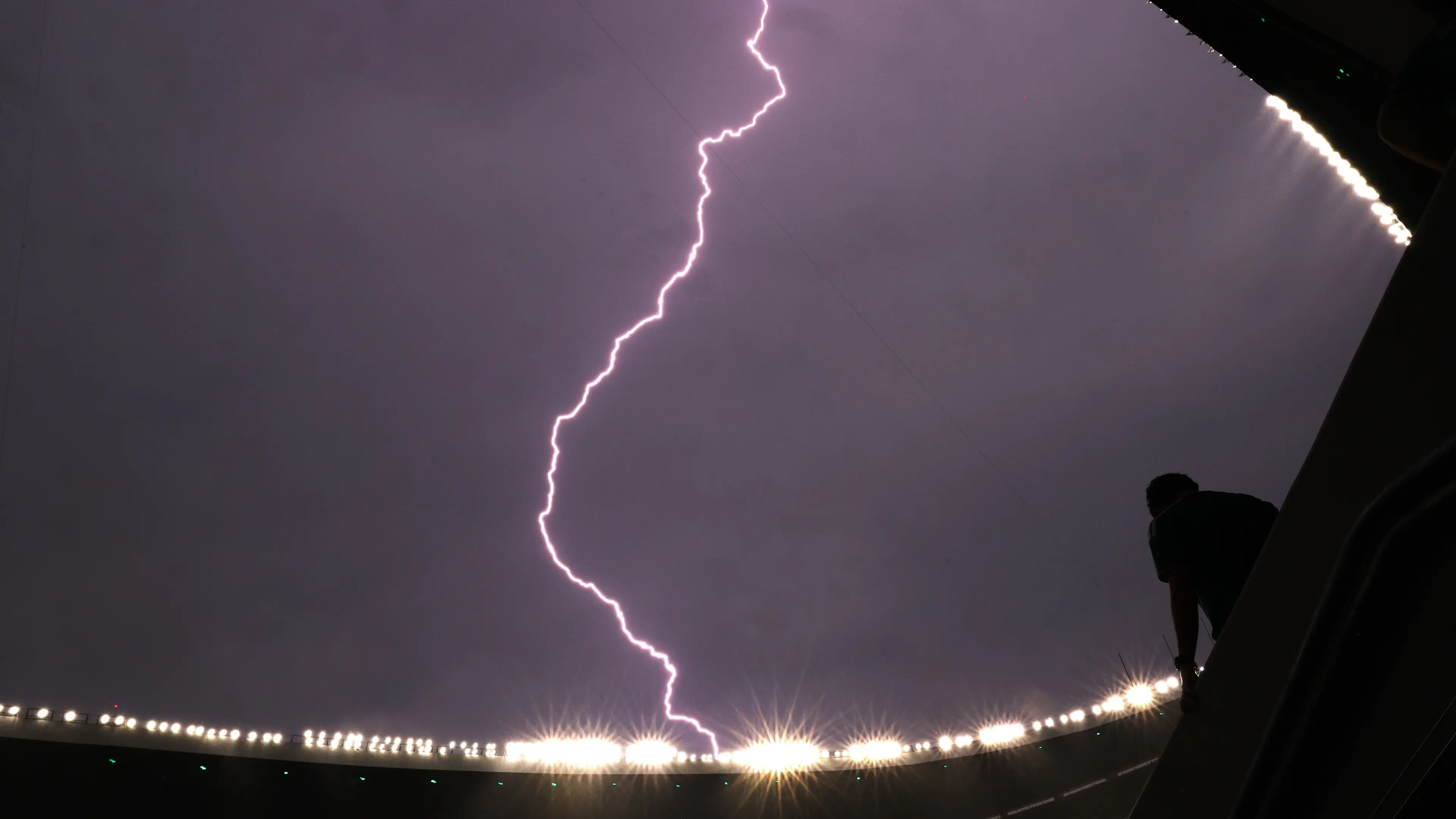
A lightning strike at the Azteca in Mexico (Carl Recine/Getty Images)
FIFA 30-minute weather rule explained
FIFA introduced the safety protocol to the World Cup this summer, taking it from the rules that were already in place around sporting events in the USA.
If lightning or electrical activity is detected with an eight-mile radius of an open-roofed stadium, the event must be suspended for a minimum of 30 minutes. This is mandatory and not optional.
If no further lightning strikes in that period, the game can resume once the players are ready, usually after a 15-minute warm-up. However, if electrical activity is detected before the time has elapsed, the clock will restart once more.
Additionally, play will be halted again if lightning is spotted within the radius at any point, even if play has only just restarted.
If lightning is detected before the match starts, then the game will be delayed until the 30-minute buffer period has been completed.
There is no limit for how long a game could be delayed, with it being at the referee and officials’ discretion as to whether a game is abandoned completely.
During electrical activity, entry into the stadium could be delayed. If supporters are already inside stadiums when the activity is detected, they will be told to leave their seats in the open bowl and seek shelter in designated safe zones in the concourse.
Advert
All staff will also leave outside areas and players will not take to the pitch, instead remaining in their changing rooms.
England have already felt first hand how the rules can impact game, as their pre-tournament warm-up match against Costa Rica on 10 June was delayed by an hour after a thunderstorm hit Florida.
Several World Cup games have been delayed, too. Both before kick-off and during the 90 minutes itself. Though some matches have concluded hours later than they should have, none have been rescheduled yet.
Heavy rain can also cause delays, with Mexico’s last 32 tie with Ecuador being put back by an hour on July 1 due to a torrential downpour.
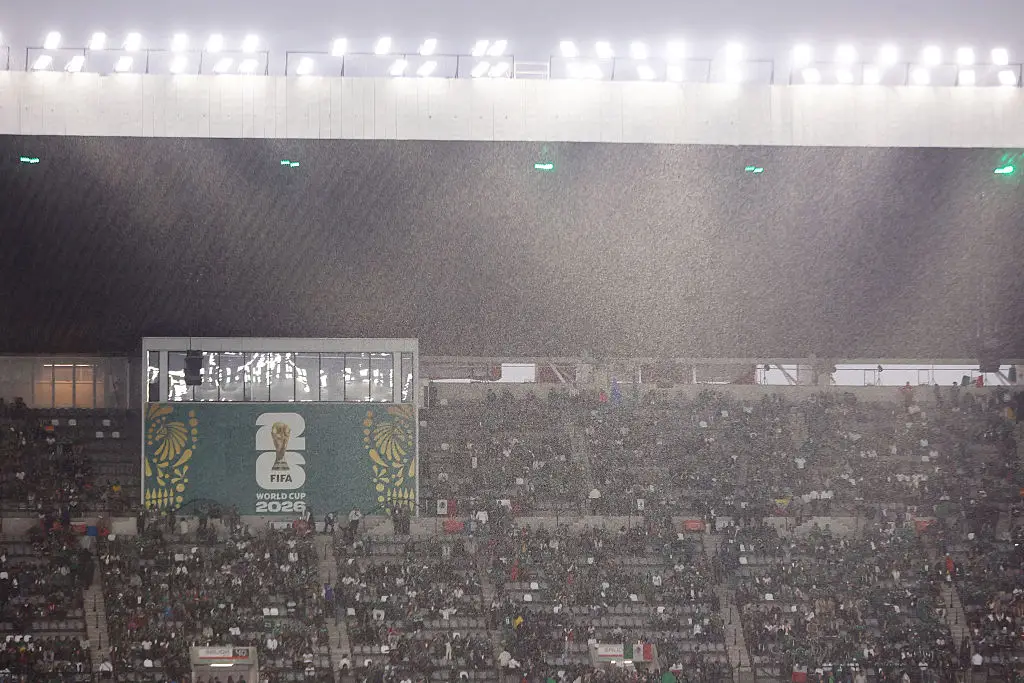
Mexico’s last game at the Azteca was delayed due to rain (Rodrigo Oropeza / AFP via Getty Images)
How would UK pubs react to lengthy World Cup delays?
European fans have had it lucky in recent iterations of the World Cup, with kick-off times all coming during the day. Things look a lot different this time around, though, with multiple timezones in the Americas all being several hours behind.
As a result, the majority of games have kick-offed very late in the day, or early depending on how you look at it, meaning delays can stretch matches well beyond normal pub opening times.
The UK have relaxed licensing laws during the tournament so pubs can stay open later for games and have done so even further for the Mexico game, with special permission being given for pubs to stay open until 5am.
Advert
However, a delay to kick-off and possible extra-time and penalties could see the match go perilously close to the 5am deadline. That could lead to the awkward moment of pubs having to close their doors while the game has yet to finish.
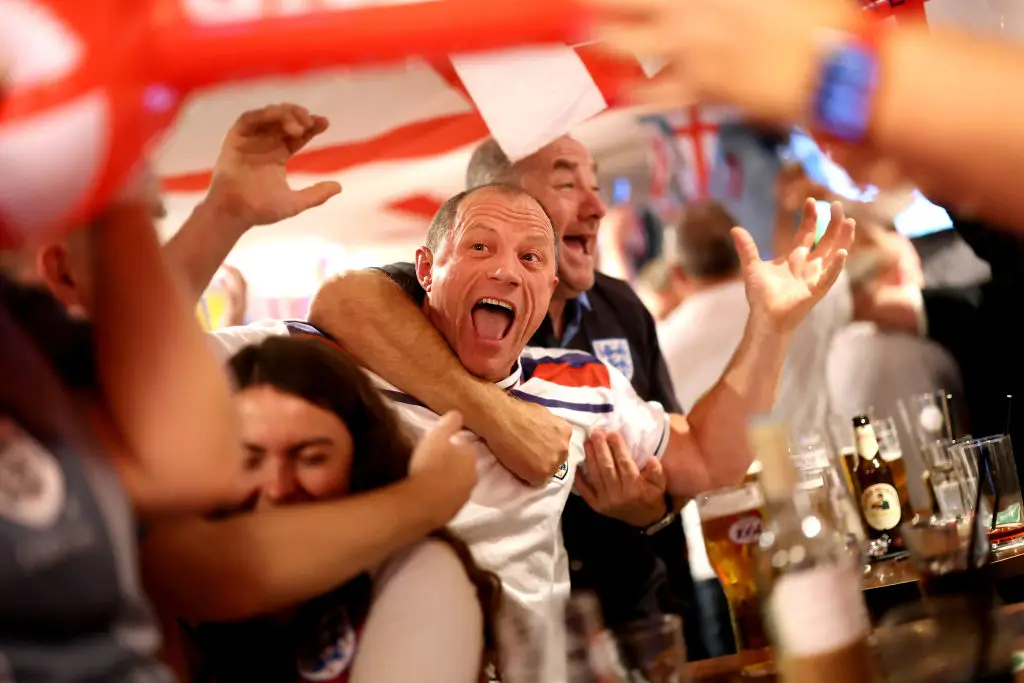
Despite the potential delays, England fans are ready to watch their team play next week (Carl Recine/Getty Images)
New rules for the FIFA World Cup 2026
This year, there’s been a whole host of rule changes, many of which are designed to speed up the game and penalise players who drag things out. Some of the new regulations are likely to prove controversial.
10-second substitution
Subbed players now have to get a move on and leave the pitch within ten seconds by the nearest exit point. If they haven’t, their replacement will get held up by one minute until the next stoppage of play, and until then, their side will have to play with 10 men.
5-second throw-ins and goal kicks
If a referee thinks a player is taking too long for a throw-in or goal kick, they’ll start a five-second countdown, by which time the ball needs to be back in play. If it’s not, for throw-ins the opposing team will get their own throw-in, or for a goal kick the other side gets a corner.
Injured players to remain off the pitch for one minute
An injured player treated by medical staff off-field has to stay off the pitch for one minute, leaving their side with just 10 players.
More VAR
VAR can now be used to review an incorrectly awarded corner kick; second yellow cards resulting in a red card; when a player is incorrectly awarded a yellow or red card for another player’s actions; and any attacking fouls that occur before the ball is in play.
Players can’t cover their mouths
Players who cover their mouths in confrontational situations will be handed a red card. It’s believed players might cover their mouths to guard against lip readers while racially abusing other players, which some suspect has happened in the past.
Red cards for players leaving the pitch
Any player who leaves the pitch in protest over a referee’s decision will be handed a red card, and if a team walks off and causes a match to be abandoned, they’ll forfeit the game.
Featured Image Credit: Carl Recine/Getty Images Europe